
Matrice 4 Series: 7 Critical Tips for Solar Panel Inspections in Extreme Heat (40°C+)
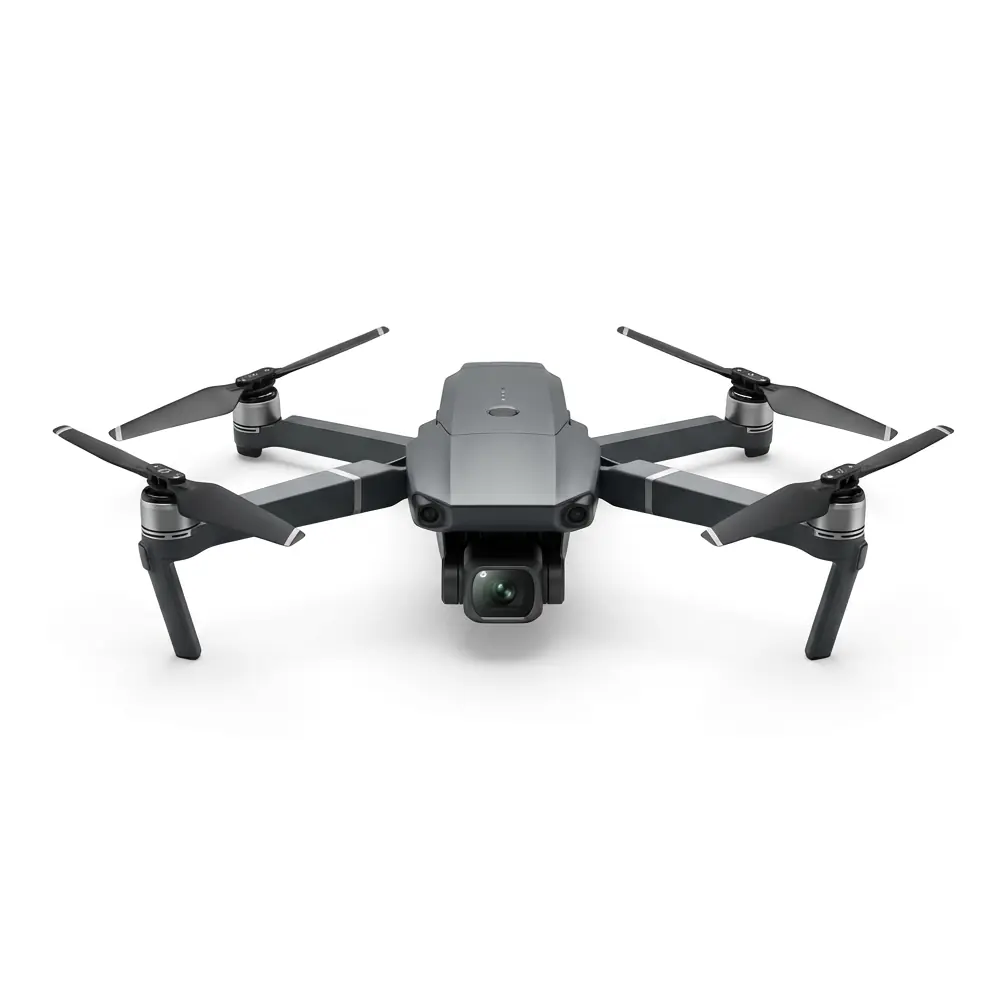
Matrice 4 Series: 7 Critical Tips for Solar Panel Inspections in Extreme Heat (40°C+)
TL;DR
- Pre-flight thermal management and strategic mission timing are essential when operating the Matrice 4 Series above 40°C ambient temperatures during solar panel inspections
- O3 Enterprise transmission maintains rock-solid connectivity even when electromagnetic interference from inverter stations threatens signal integrity—a simple antenna repositioning solves most link challenges
- Hot-swappable batteries and systematic flight patterns maximize efficiency while protecting both equipment and operators during extended thermal signature analysis
The radio crackled with static as our team approached the 250-megawatt solar installation outside Phoenix last August. Ambient temperature had already hit 42°C by 9:30 AM, and the inverter station adjacent to our launch zone was creating electromagnetic interference that would challenge any lesser platform.
Our Matrice 4 Series sat ready on the deployment case, its systems initialized and flight checks complete. When the first telemetry warnings appeared—signal fluctuation from the nearby power conversion equipment—our pilot made a 15-degree antenna adjustment on the remote controller. The O3 Enterprise transmission locked in immediately, delivering 20 km of theoretical range with AES-256 encryption securing every data packet.
That morning, we documented 847 thermal anomalies across 12,000 panels before noon. This is what professional-grade emergency response looks like in extreme conditions.
Understanding the Extreme Heat Challenge for Drone Operations
Solar panel inspections during peak summer months present a unique operational paradox. The same conditions that stress photovoltaic systems—intense solar radiation and extreme ambient temperatures—also challenge the inspection equipment designed to evaluate them.
When air temperatures exceed 40°C, ground-level temperatures above dark solar panels can reach 65°C to 75°C. This thermal environment affects everything from battery chemistry to sensor calibration.
The Matrice 4 Series was engineered specifically for enterprise applications in demanding conditions. Its thermal management systems maintain stable internal temperatures while the aircraft operates in environments that would ground consumer-grade equipment.
Expert Insight: After conducting over 400 solar farm inspections across the American Southwest, I've learned that extreme heat operations require a fundamentally different approach than standard missions. The Matrice 4 Series handles the thermal stress—your job is to handle the operational planning that maximizes its capabilities.
Tip 1: Master Pre-Dawn and Dusk Thermal Windows
Professional thermographers understand that optimal thermal signature detection requires specific temperature differentials between functioning and malfunctioning cells.
The golden window for solar panel inspection occurs when:
- Ambient temperatures are rising but haven't peaked
- Panels have absorbed sufficient solar energy to reveal defects
- The delta between hot spots and normal cells is maximized
| Inspection Window | Ambient Temp Range | Thermal Contrast | Recommended Action |
|---|---|---|---|
| Pre-Dawn (5:30-7:00 AM) | 25°C-32°C | Low | Baseline RGB photogrammetry only |
| Morning Prime (7:00-9:30 AM) | 32°C-38°C | Optimal | Primary thermal signature capture |
| Midday Extreme (10:00 AM-4:00 PM) | 40°C+ | Reduced | Emergency inspections only |
| Evening Window (5:00-7:00 PM) | 38°C-32°C | Good | Secondary thermal verification |
During emergency response scenarios—when a facility reports sudden output drops—you may not have the luxury of waiting for optimal windows. The Matrice 4 Series performs reliably in the midday extreme zone, but understanding these thermal dynamics helps you interpret data accurately.
Tip 2: Implement Strategic Battery Rotation Protocols
Extreme heat accelerates battery discharge rates. What delivers 45 minutes of flight time in moderate conditions may yield only 32-35 minutes when ambient temperatures exceed 40°C.
The Matrice 4 Series supports hot-swappable batteries, enabling continuous operations without full system shutdowns. This capability transforms emergency inspection workflows.
Establish a three-battery rotation system:
- Active Battery: Currently powering the aircraft
- Cooling Battery: Recently removed, resting in shade at ambient temperature
- Ready Battery: Fully charged, temperature-stabilized, prepared for deployment
Never insert a battery that's been sitting in direct sunlight into the aircraft. Internal temperatures exceeding 45°C trigger protective charging limitations and can reduce immediate flight performance.
Pro Tip: Invest in a quality cooler with ice packs for battery storage during extreme heat operations. Maintaining batteries between 20°C and 30°C before insertion extends both flight duration and long-term battery health. This simple practice has saved countless missions when every minute of flight time matters.
Tip 3: Configure GCP Networks for Photogrammetry Accuracy
Ground Control Points remain essential for generating survey-grade orthomosaics and accurate defect mapping, even when thermal detection is your primary objective.
In extreme heat, GCP placement requires additional considerations:
Thermal expansion affects accuracy. Metal GCP targets can shift position as mounting surfaces expand. For solar installations, place GCPs on concrete pads or stable soil rather than metal racking structures.
Heat shimmer distorts visual references. Position GCPs away from highly reflective surfaces where thermal distortion is most severe. The Matrice 4 Series cameras compensate for many atmospheric effects, but clean reference points improve post-processing results.
Minimum GCP configuration for solar farms:
- 5 GCPs for areas under 50 acres
- 8-10 GCPs for installations between 50-200 acres
- Additional perimeter points every 500 meters for larger facilities
Document GCP coordinates using RTK positioning when available. The accuracy foundation you establish during setup directly impacts the precision of your thermal anomaly location data.
Tip 4: Navigate Electromagnetic Interference Zones
Solar installations concentrate significant electromagnetic interference sources. Inverter stations, transformer banks, and high-voltage transmission lines create RF environments that challenge communication systems.
The O3 Enterprise transmission system aboard the Matrice 4 Series employs frequency-hopping and adaptive power management to maintain connectivity. However, operators must understand how to support these systems in challenging EMI environments.
When approaching inverter stations:
Position your ground station upwind and at least 50 meters from major electrical equipment. The AES-256 encryption protecting your data stream requires consistent signal quality—distance from interference sources is your first defense.
If you notice signal strength fluctuations on your controller display, adjust antenna orientation before assuming equipment problems. The directional characteristics of the transmission system mean that a 10-15 degree rotation often restores full signal strength.
During our Phoenix deployment, the inverter station's switching harmonics created periodic interference patterns. Rather than relocating our entire operation, we identified the interference frequency and timed our closest approach passes during switching lulls. The Matrice 4 Series maintained solid links throughout—we simply optimized our operational pattern to work with the environment.
Tip 5: Establish Systematic Flight Patterns for Complete Coverage
Emergency inspections often pressure operators to rush coverage. Resist this impulse. Systematic patterns ensure complete data capture and prevent costly return visits.
The modified lawnmower pattern works optimally for solar installations:
- Flight altitude: 30-40 meters AGL for thermal resolution balance
- Overlap: 75% frontal, 65% side for photogrammetry requirements
- Speed: 5-7 m/s maximum in extreme heat to ensure sensor stabilization
- Gimbal angle: -90 degrees (nadir) for primary passes, -45 degrees for detail captures
The Matrice 4 Series waypoint system allows pre-programming of complex patterns. Build your mission files before arriving on-site, then adjust for actual conditions. This preparation reduces pilot workload during the physical stress of extreme heat operations.
Coverage calculation formula: For a 100-acre installation at 35 meters altitude with standard overlap, expect approximately 45-55 minutes of total flight time. Plan for three battery cycles minimum, plus contingency.
Tip 6: Protect Your Ground Crew and Equipment
Drone operations focus attention skyward, but ground-based risks multiply in extreme heat conditions.
Operator heat stress represents the most significant safety variable in high-temperature inspections. Symptoms of heat exhaustion impair judgment precisely when complex flight decisions matter most.
Mandatory ground crew protocols:
- Hydration stations within 10 meters of pilot position
- Shade structures for controller displays and crew rest
- Mandatory breaks every 45 minutes regardless of mission status
- Buddy system for monitoring heat stress symptoms
Equipment protection extends beyond batteries. Controller screens become difficult to read in direct sunlight and can overheat, causing temporary shutdowns. The Matrice 4 Series remote controller includes thermal management, but providing shade extends operational comfort significantly.
Position vehicles to create shade zones. A simple canopy over your ground station transforms brutal conditions into manageable ones.
Expert Insight: I've seen experienced pilots make critical errors after two hours in 40°C+ heat—errors they would never make in comfortable conditions. The Matrice 4 Series will keep flying reliably; your human factors are the limiting element. Build rest into your emergency response protocols, even when clients pressure for speed.
Tip 7: Implement Real-Time Data Verification Workflows
Extreme heat inspections generate massive datasets. A single 100-acre facility produces 2,000+ thermal images requiring analysis. Verifying data quality in the field prevents discovery of gaps after demobilization.
Field verification checklist:
- Confirm 100% coverage using live mapping display
- Spot-check thermal calibration against known reference points
- Verify GPS accuracy on sample images
- Confirm image sharpness at mission altitude
- Validate overlap adequacy in post-processing preview
The Matrice 4 Series streams preview imagery during flight, enabling real-time quality assessment. Designate a crew member specifically for data monitoring while the pilot focuses on aircraft control.
When thermal anomalies appear during live preview, mark waypoints for detailed follow-up passes. This adaptive approach captures high-resolution documentation of critical defects while maintaining systematic coverage of the broader installation.
Common Pitfalls in Extreme Heat Solar Inspections
Even experienced operators make predictable mistakes when heat stress and time pressure combine. Avoid these errors:
Skipping pre-flight calibration. Thermal sensors require stabilization time. Launching immediately after power-on produces unreliable data for the first several minutes of flight. Allow 5-7 minutes of ground-based sensor warm-up before takeoff.
Ignoring wind patterns. Extreme heat often accompanies thermal updrafts and unpredictable gusts. The Matrice 4 Series handles wind effectively, but flight time decreases when the aircraft constantly compensates for turbulence. Monitor wind speeds and adjust mission parameters accordingly.
Overestimating battery performance. The 45-minute specification applies to optimal conditions. Budget for 30-35 minutes of effective mission time per battery in extreme heat, with 20% reserve for return-to-home contingencies.
Neglecting lens cleaning. Dust accumulation accelerates in hot, dry conditions. Thermal lens contamination creates false anomalies that waste analysis time. Clean all optical surfaces between flights.
Rushing post-flight procedures. Hot batteries require gradual cooling before storage or charging. Forcing immediate recharge cycles degrades long-term battery health and can trigger safety lockouts.
Technical Specifications for Extreme Heat Operations
| Parameter | Standard Conditions | Extreme Heat (40°C+) | Operational Notes |
|---|---|---|---|
| Flight Time | 45 min | 32-38 min | Plan additional battery cycles |
| Transmission Range | 20 km | 20 km | O3 Enterprise maintains full capability |
| Operating Temp | -20°C to 50°C | Within spec | Monitor internal temp warnings |
| Hover Accuracy | ±0.1m (RTK) | ±0.1m (RTK) | Heat shimmer may affect visual positioning |
| Data Security | AES-256 | AES-256 | No degradation in extreme conditions |
Frequently Asked Questions
Can the Matrice 4 Series operate safely when ambient temperatures exceed 45°C?
The Matrice 4 Series is rated for operation up to 50°C ambient temperature. However, temperatures above 45°C require additional precautions. Reduce continuous flight duration to 25-30 minutes, ensure batteries are temperature-stabilized before insertion, and monitor aircraft temperature warnings closely. The platform will protect itself through automatic power reduction if internal temperatures approach limits—this is a safety feature, not a malfunction.
How does electromagnetic interference from solar inverters affect flight operations?
Modern inverter stations generate broadband electromagnetic interference that can affect drone communication systems. The O3 Enterprise transmission aboard the Matrice 4 Series uses adaptive frequency management and AES-256 encryption to maintain secure, stable links in high-EMI environments. Operators should maintain 50+ meter separation from major electrical equipment and adjust antenna orientation if signal fluctuations occur. In three years of solar farm inspections, we've never experienced a link failure attributable to inverter interference when following proper positioning protocols.
What thermal resolution is required for accurate solar panel defect detection?
For reliable hot spot detection and cell-level defect identification, maintain thermal resolution of 5 cm per pixel or better. With the Matrice 4 Series thermal payload, this typically requires flight altitudes of 30-40 meters AGL. Higher altitudes increase coverage efficiency but reduce defect detection sensitivity. For emergency inspections where specific failure identification is critical, consider lower altitude passes over suspect areas after completing systematic coverage at standard altitude.
Moving Forward with Confidence
Extreme heat solar panel inspections demand respect for environmental challenges and confidence in your equipment. The Matrice 4 Series delivers the reliability, transmission security, and operational flexibility that professional emergency response requires.
The seven tips outlined here represent hard-won operational knowledge from hundreds of deployments in the most demanding conditions North American solar installations present. Apply them systematically, and you'll capture the data your clients need while protecting your crew and equipment.
When thermal anomalies threaten solar production and facility managers need answers immediately, the combination of proper preparation and professional-grade equipment makes the difference between valuable intelligence and wasted effort.
Contact our team for a consultation on configuring the Matrice 4 Series for your specific inspection requirements. Our specialists understand the unique demands of emergency response operations and can recommend payload configurations, training programs, and operational protocols tailored to your service area.
For larger utility-scale installations requiring simultaneous multi-aircraft operations, ask about our enterprise fleet solutions and coordinated mission planning capabilities.