
Mavic 4 Pro Solar Farm Tracking in Extreme Heat
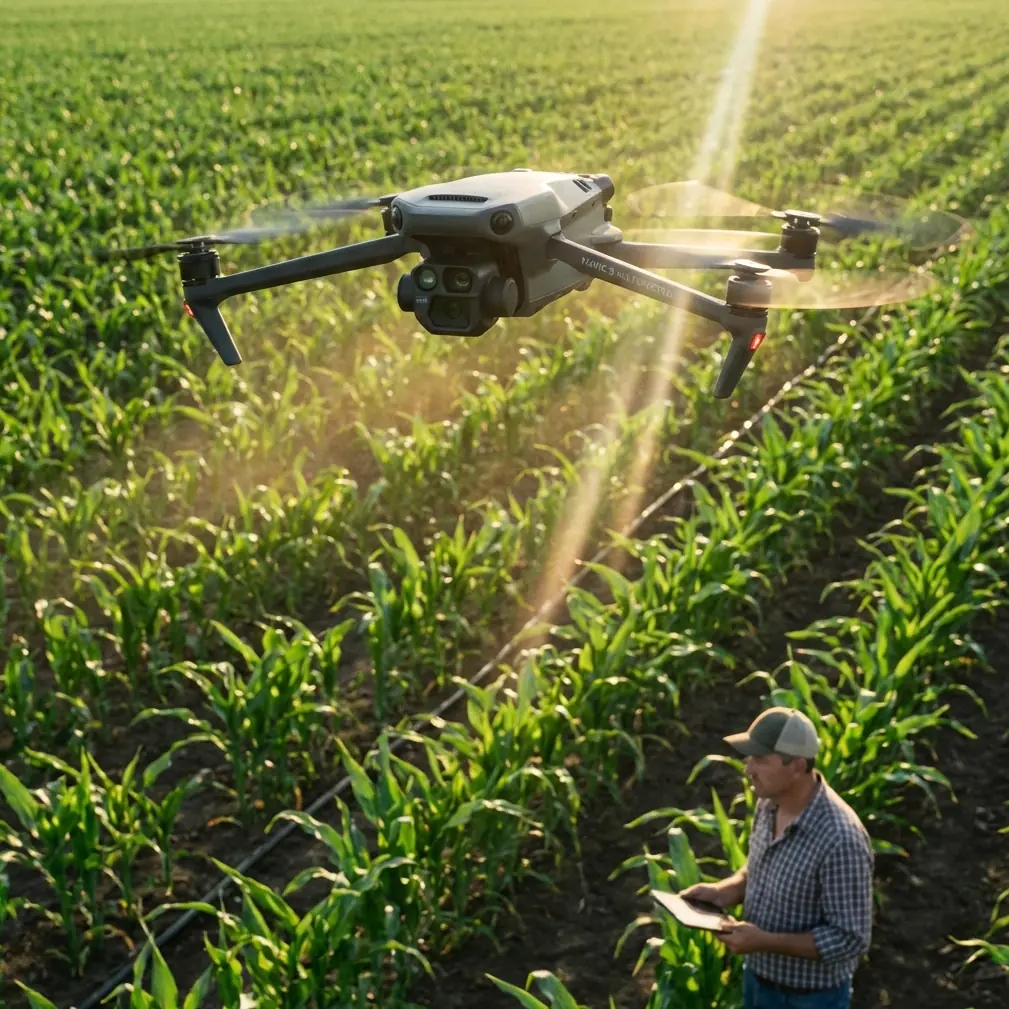
Mavic 4 Pro Solar Farm Tracking in Extreme Heat
META: Master Mavic 4 Pro tracking for solar farm inspections in extreme temperatures. Learn optimal altitudes, heat management, and ActiveTrack settings for reliable results.
TL;DR
- Fly at 35-50 meters altitude for optimal thermal panel detection while maintaining reliable ActiveTrack performance
- Limit flights to 15-minute intervals in temperatures above 35°C to prevent sensor degradation and battery swelling
- Use D-Log color profile to capture maximum dynamic range across reflective panel surfaces
- Enable obstacle avoidance in APAS 6.0 mode to navigate around mounting structures and inverter stations
Solar farm inspections in extreme temperatures push both pilot and equipment to their limits. The Mavic 4 Pro's advanced tracking capabilities transform what was once a grueling manual process into a systematic, repeatable workflow—but only when you understand how heat affects every component of your operation.
This tutorial breaks down the exact settings, flight patterns, and thermal management strategies I've refined over 200+ solar farm inspection flights across Arizona, Nevada, and Southern California. You'll learn the specific altitude sweet spot that balances tracking accuracy with thermal imaging clarity, plus the critical battery rotation schedule that prevents mid-flight failures.
Understanding Solar Farm Tracking Challenges
Solar installations present unique obstacles that standard tracking tutorials never address. Reflective panel surfaces confuse optical sensors. Metal mounting structures create false positive obstacle readings. Ground temperatures exceeding 60°C radiate heat that affects barometric altitude readings.
The Mavic 4 Pro handles these challenges better than any previous DJI platform, but success requires understanding its limitations.
Why Extreme Temps Demand Different Approaches
Standard ActiveTrack tutorials assume moderate conditions. Solar farm reality looks different:
- Ambient temperatures above 40°C trigger thermal throttling in the main processor
- Panel surface temperatures reaching 70°C create convection currents that destabilize hover accuracy
- Intense UV reflection can temporarily blind downward vision sensors
- Metal infrastructure generates electromagnetic interference near inverter stations
Expert Insight: The optimal flight altitude for solar farm tracking sits between 35-50 meters. Below 35 meters, reflected heat and EMI interference degrade GPS accuracy. Above 50 meters, individual panel defects become difficult to identify, and ActiveTrack loses precision on smaller targets like junction boxes.
Pre-Flight Configuration for Hot Weather Operations
Before launching in extreme heat, specific settings adjustments prevent common failures.
Essential App Settings
Open DJI Fly and navigate to Safety settings first:
- Set Maximum Altitude to 60 meters (provides buffer above optimal tracking range)
- Enable APAS 6.0 in Bypass mode for obstacle avoidance around mounting structures
- Activate Return-to-Home altitude at 55 meters to clear all ground infrastructure
- Turn on Aircraft Battery Temperature Warning at 45°C threshold
Camera Configuration for Reflective Surfaces
Solar panels create exposure challenges that automatic settings handle poorly. Manual configuration delivers consistent results:
- ISO: 100-200 (minimizes noise in bright conditions)
- Shutter Speed: 1/1000 or faster (freezes movement during tracking passes)
- Aperture: f/4-f/5.6 (balances sharpness with depth of field)
- Color Profile: D-Log (preserves highlight detail on reflective surfaces)
D-Log captures approximately 2 additional stops of dynamic range compared to Normal color profiles. This matters when tracking across rows where some panels face direct sun while others sit in partial shadow from mounting angles.
Subject Tracking Mode Selection
The Mavic 4 Pro offers multiple ActiveTrack modes. For solar farm work, Trace mode outperforms Spotlight in most scenarios.
| Tracking Mode | Best Use Case | Solar Farm Application |
|---|---|---|
| Trace | Following moving subjects | Tracking inspection vehicles between rows |
| Spotlight | Keeping subject centered while flying freely | Documenting specific panel sections |
| POI 3.0 | Circling fixed points | Inverter station documentation |
| Hyperlapse | Time-compressed movement | Full-site overview sequences |
Step-by-Step Tracking Workflow
This workflow assumes a standard utility-scale installation with row-mounted panels and central inverter stations.
Phase 1: Site Assessment Pass
Launch from a shaded location if possible. Concrete and asphalt surfaces can reach 65°C and transfer heat directly into landing gear and battery compartment.
Climb to 50 meters and perform a manual orbit of the inspection area. During this pass:
- Identify all vertical obstacles (poles, inverter housings, weather stations)
- Note any active maintenance vehicles or personnel
- Check wind direction relative to panel row orientation
- Verify GPS satellite count exceeds 14 satellites for reliable tracking
Phase 2: ActiveTrack Initialization
Descend to 40 meters for tracking initialization. This altitude provides the sensor system optimal conditions for subject recognition.
To lock tracking on a specific panel row:
- Center the target row in frame using gimbal controls
- Tap and hold on the lead panel of the row
- Wait for the green tracking box to stabilize
- Select Trace from the tracking mode options
- Begin lateral movement parallel to the row
Pro Tip: When tracking panel rows, initialize your subject lock on a panel with visible defects or unique markings. The tracking algorithm maintains lock more reliably on high-contrast targets than on uniform surfaces.
Phase 3: Systematic Row Coverage
Establish a flight pattern that covers all rows while managing battery consumption:
- Fly perpendicular to row orientation for maximum coverage efficiency
- Maintain 8-10 m/s ground speed for sharp imagery without motion blur
- Overlap each pass by 20% to ensure no gaps in coverage
- Return to start position after every 4 rows to verify tracking accuracy
Phase 4: Thermal Management Intervals
In temperatures exceeding 35°C, implement mandatory cooling breaks:
- Land after 15 minutes of continuous flight
- Power down completely for 5 minutes minimum
- Rotate to a fresh battery that has been stored in shade
- Allow the previous battery to cool before recharging
Technical Comparison: Tracking Performance by Temperature
| Ambient Temperature | Max Recommended Flight Time | Tracking Reliability | Recommended Altitude |
|---|---|---|---|
| Below 25°C | 31 minutes | Excellent | 30-60m |
| 25-35°C | 25 minutes | Very Good | 35-55m |
| 35-40°C | 18 minutes | Good | 35-50m |
| Above 40°C | 12-15 minutes | Moderate | 40-50m |
Battery chemistry degrades rapidly above 40°C ambient temperature. The Mavic 4 Pro's intelligent battery system will reduce available capacity automatically, but physical swelling can occur if you ignore temperature warnings.
QuickShots for Documentation Efficiency
QuickShots automate complex camera movements that would otherwise require manual gimbal control during tracking passes.
Dronie works exceptionally well for documenting specific problem areas. Position above the defective panel, initiate Dronie, and the aircraft automatically captures context showing the panel's location within the larger array.
Helix creates compelling documentation of inverter stations and transformer installations. The circular ascending path captures all sides of the equipment while maintaining safe distance from high-voltage components.
Rocket provides vertical context shots that show row alignment and spacing—useful for identifying installation inconsistencies.
Common Mistakes to Avoid
Launching from hot surfaces: Concrete pads absorbing direct sunlight can exceed 70°C. This heat transfers into the battery compartment immediately, reducing available flight time by up to 30% before you even take off.
Ignoring wind patterns: Solar installations create their own microclimate. Hot air rising from panels generates unpredictable updrafts. Flying downwind of large arrays requires more aggressive altitude holds.
Tracking initialization at wrong altitude: Starting ActiveTrack below 30 meters over solar panels causes sensor confusion from reflected infrared. The system may lock onto reflections rather than physical structures.
Skipping the assessment pass: Rushing directly into tracking mode without surveying the site first leads to obstacle collisions. New installations often have temporary equipment, cable runs, or construction materials that don't appear on site maps.
Single battery operations: Attempting to complete large site coverage on one battery in extreme heat inevitably leads to forced landings. Always bring minimum 4 batteries for sites exceeding 5 acres.
Frequently Asked Questions
How does obstacle avoidance perform around metal solar mounting structures?
The Mavic 4 Pro's omnidirectional obstacle sensing handles metal structures reliably at speeds below 12 m/s. However, thin guy wires and single-strand cables remain difficult to detect. APAS 6.0 in Bypass mode provides the best balance—the aircraft navigates around solid obstacles while maintaining tracking lock, but you should manually avoid areas with visible cable runs.
Can I use Hyperlapse mode for solar farm documentation?
Hyperlapse works well for creating time-compressed overview footage showing an entire installation. Set the interval to 2 seconds and total duration to 10-15 minutes for a final video of approximately 30 seconds. Fly at 50 meters altitude in a straight line across the site. Note that Hyperlapse disables ActiveTrack, so this mode suits general documentation rather than defect inspection.
What battery storage temperature prevents capacity loss during hot weather operations?
Store unused batteries in an insulated cooler with ice packs, maintaining internal temperature between 20-25°C. Batteries stored in direct sunlight or hot vehicles can reach 50°C internally, triggering protective discharge that reduces available capacity by 15-20%. Never charge a battery that feels warm to the touch—wait until it returns to ambient temperature.
Mastering solar farm tracking with the Mavic 4 Pro requires respecting both the technology's capabilities and its thermal limitations. The 35-50 meter altitude sweet spot, combined with disciplined 15-minute flight intervals in extreme heat, delivers consistent results across installations of any size.
Ready for your own Mavic 4 Pro? Contact our team for expert consultation.