
Mavic 4 Pro for Wildlife Scouting in Dusty Terrain
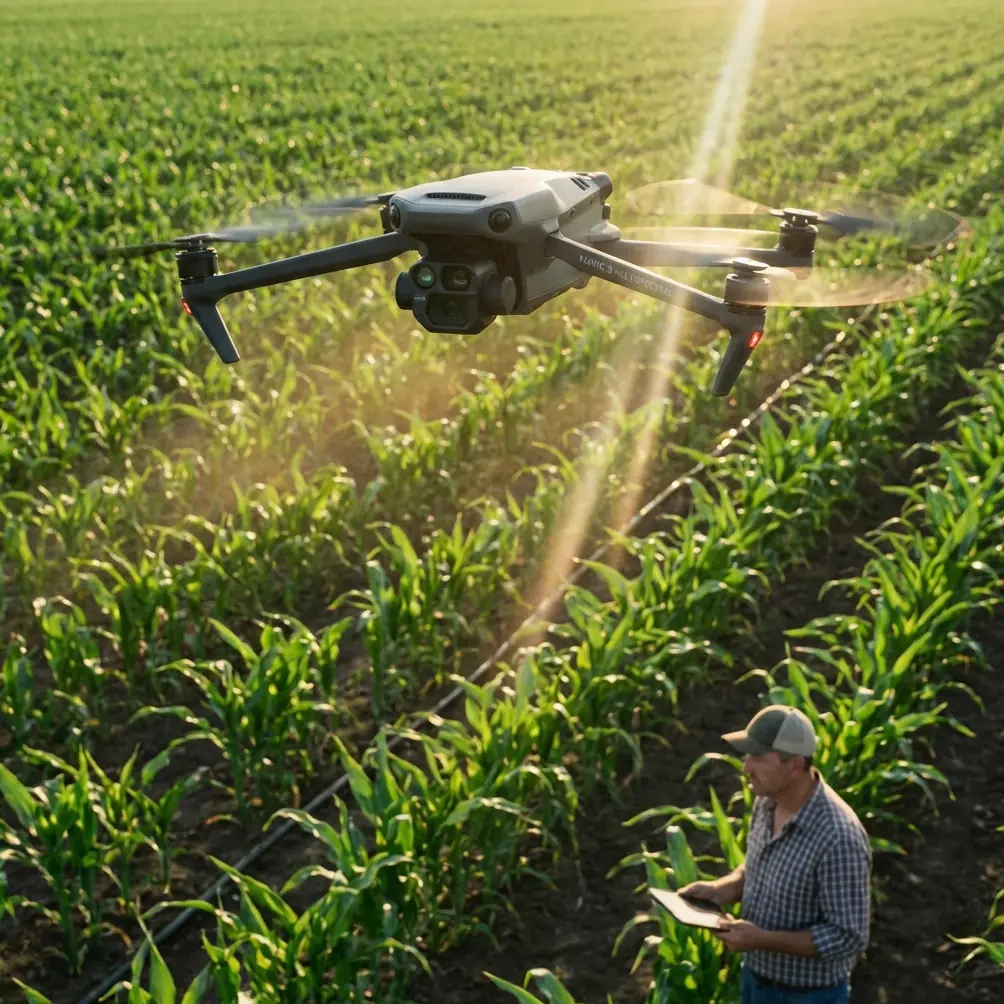
Mavic 4 Pro for Wildlife Scouting in Dusty Terrain: A Field Tutorial Built Around Camera Protection Discipline
META: Learn how to use Mavic 4 Pro for wildlife scouting in dusty conditions with a practical field workflow focused on lens care, sealing discipline, tracking reliability, and cleaner aerial footage.
Wildlife scouting in dusty country punishes camera systems in ways spec sheets rarely capture. Fine grit hangs in the air, settles on glass, sneaks into seams, and turns a promising flight into soft footage or, worse, avoidable equipment damage. If you are planning to use the Mavic 4 Pro in these environments, the smartest starting point is not a flight mode. It is protective discipline.
That idea might sound unglamorous until you look at how camera systems fail in the real world. One of the most useful reference points comes from an action camera manual rather than a drone brochure. The HERO4 Silver housing guidance is blunt: a single hair or grain of sand on the rubber seal can let moisture in, and repeated salt exposure without a freshwater rinse can corrode hinge components and compromise sealing. It also recommends using a water-beading treatment such as Rain-X on the lens cover to reduce spotting in wet use, and it explains that swapping the back door changes the camera’s suitability for different shooting conditions.
Those details are about a different product, but the operational lesson transfers directly to Mavic 4 Pro fieldwork: in harsh environments, image quality and equipment reliability are often decided by tiny contamination points, not big headline features.
Why this matters specifically for Mavic 4 Pro wildlife work
Wildlife scouting usually asks for three things at once. You need reach without disturbance, stable tracking without repeated re-positioning, and footage that holds up under difficult light. The Mavic 4 Pro conversation usually centers around obstacle avoidance, ActiveTrack, QuickShots, Hyperlapse, and D-Log workflows. All of those matter. But in dusty terrain, they only deliver if the optics stay clean and the exposed interfaces stay protected during transport, launch, landing, and battery swaps.
This is where Mavic 4 Pro tends to separate itself from less refined platforms. Not because dust magically stops being a problem, but because advanced subject tracking and obstacle sensing reduce the number of low, aggressive corrections you need to make near shrubs, rocks, and uneven ground. Fewer rushed recoveries means fewer bad landings. Fewer bad landings means less dust ingestion around the aircraft body and less contamination on the camera assembly.
That is the kind of advantage experienced operators notice first.
Start with a camera-protection mindset, not a flight mindset
The HERO4 manual’s warning about seals is worth translating into a drone routine. On that action camera, the gasket creates the moisture barrier. On a drone platform like Mavic 4 Pro, your equivalents are every point where contamination can affect operation or image quality: lens surface, filter seating, battery contacts, gimbal guard fit, charging interfaces, and the body surfaces around vents and moving parts.
The manual also highlights something people underestimate: one tiny contaminant can cause a disproportionate failure. In drone work, one speck on a lens may not destroy hardware, but it can absolutely ruin the mission if you are filming distant wildlife in side light. Dust scatter kills contrast first. Fine scratches or residue kill confidence second. You may not realize it until post.
So before your first dusty-terrain sortie, build a prep sequence that treats the aircraft more like optical equipment than a toy.
My pre-launch routine for dusty wildlife scouting
Inspect the lens and front optical path under angled light.
Straight-on checks miss residue. Tilt the aircraft and look for haze, streaking, or dried spots.Check every fitted accessory for proper seating.
The HERO4 housing section explains that changing a door changes suitability for conditions. The equivalent here is making sure any lens filter, gimbal cover, or protection accessory is actually the right one for the day’s environment. Badly fitted add-ons cause more problems than they solve.Keep the aircraft closed and covered until the launch point is final.
Dust exposure during setup is often worse than dust exposure in the air.Avoid setting the drone directly on loose ground.
Use a landing pad, hard case lid, or compact ground mat. This single habit reduces the dirt plume that rises during takeoff and landing.Confirm subject tracking settings before launch.
The less menu work you do while the drone idles near the ground, the better.
These are simple steps, but in wildlife work, simple beats clever.
Lens treatment: what the HERO4 advice teaches us
The action camera reference specifically recommends a hydrophobic treatment on the housing lens to prevent water spots in rain or water use. The broader lesson is not “put random chemicals on everything.” It is that the outer optical surface needs to be managed for the environment you expect.
In dusty wildlife conditions, your enemy is often a mix of fine powder, condensation shifts during dawn operations, and the oily smear that comes from rushed cleaning. The practical takeaway is to protect the outermost sacrificial surface whenever possible. If you use a removable filter or protective front element on your Mavic 4 Pro setup, it should be clean, properly seated, and easy to replace in the field. That mirrors the HERO4 logic of adapting the camera with the correct rear door for the mission.
Operational significance matters here. A removable front protection element can preserve the primary lens from repeated wiping in grit-heavy conditions. That means fewer micro-abrasions over time and more consistent image quality when shooting backlit animals at long distance. Competitor drones may offer similar headline resolution, but if their handling encourages more frequent exposed-lens cleaning in the field, that advantage fades quickly.
Dust changes how you should use ActiveTrack and obstacle avoidance
In clean coastal air, you can be more casual about trajectory. In dusty scrubland or dry savanna edges, every low pass creates its own problem. This is where Mavic 4 Pro’s tracking and sensing suite becomes more than a convenience feature.
When scouting wildlife, use ActiveTrack to establish a smoother lateral or trailing path rather than manually chasing subjects with abrupt stick inputs. Smooth automated tracking reduces sudden descents, panic braking, and rotor wash close to the ground. That helps preserve visibility both for you and for the camera.
Obstacle avoidance also has a second-order benefit in this environment. It is not just there to prevent collisions with branches or rock outcrops. It helps you maintain cleaner, more deliberate flight lines when the terrain tricks depth perception. That means fewer emergency corrections over dust patches and fewer landings in poor spots.
Compared with less capable consumer drones, this is one of the areas where Mavic 4 Pro really earns its place for wildlife scouting. It allows the operator to think more like a field observer and less like someone constantly trying to rescue a shot.
A practical wildlife scouting workflow
Let’s build this into a tutorial rather than a theory piece.
Step 1: Choose the launch zone before you unpack
Pick a location upwind of loose soil if possible. If the only available point is dusty, elevate the launch surface. Even a case top helps.
Step 2: Prep optics last
Do not clean the lens first and then leave the aircraft open while you configure settings. That just gives the environment more time to settle onto the glass. Handle batteries, app pairing, and route planning first. Final lens check comes at the end.
Step 3: Fly the first pass higher than you think you need
For wildlife scouting, the first goal is situational awareness, not cinematic proximity. Use altitude to locate movement patterns, resting zones, and terrain barriers.
Step 4: Let tracking do the refinement
Once you identify a subject worth following, use ActiveTrack to hold consistent framing. This is especially useful when a herd or individual animal moves across uneven terrain where manual corrections would otherwise become jerky.
Step 5: Save stylized moves for clean air
QuickShots and Hyperlapse can be excellent for habitat context, migration-path overviews, or environmental storytelling. But use them after the core scouting passes, not during the dustiest, lowest phase of the operation.
Step 6: Record in D-Log when light is harsh
Dusty environments often produce flat mid-day contrast plus bright reflective surfaces. D-Log gives you more flexibility to recover highlights and shape the scene later without forcing over-processed color in-camera.
That last point matters more than many operators admit. Wildlife scouting often turns into documentary acquisition unexpectedly. If you spot unusual behavior, you want footage that grades well later.
Post-flight care is where long-term performance is won
The HERO4 reference spends significant effort on after-use cleaning, especially after saltwater exposure. Its warning is practical: ignore rinse and drying discipline, and corrosion plus seal issues eventually create failure.
For Mavic 4 Pro users in dusty terrain, the same pattern applies. Post-flight care should not be an afterthought.
My post-flight checklist
- Power down and fit the gimbal protector before moving away from the landing site.
- Brush or air-blow loose dust off exterior surfaces before packing.
- Check the camera face for adhered particles before wiping anything.
- Clean with the least aggressive method first.
- Inspect battery bays and contact areas once back in a controlled environment.
- Review the landing gear area and lower body surfaces where dust accumulates.
The significance of this routine is not abstract. Dust left in place gets pushed deeper during transport. Repeated careless wiping grinds abrasives into the optical surface. A rough field clean can do more damage than the flight itself.
If you are building a repeatable wildlife workflow and want to compare field setups or accessory choices with someone who actually understands harsh-environment drone use, send your scenario through this field support chat.
Swappable protection concepts: an overlooked lesson from the HERO4 door system
One of the most useful details in the source material is the back-door swap on the HERO4 Silver housing. That small design choice allows the camera to be adapted to different activities and shooting conditions. For drone operators, the takeaway is bigger than it seems: modular protection is not optional when environments vary.
On Mavic 4 Pro, that translates into choosing your protection strategy intentionally:
- standard transport protection for travel,
- front-element or filter protection for dusty shooting,
- a clean stowage method between flights,
- and a no-compromise launch surface when the ground is loose.
The professionals who get repeatable results are rarely the ones with the most dramatic flying style. They are the ones who adapt the system to the environment before takeoff.
How Mavic 4 Pro can outperform competitors in the field
Most drone comparisons fixate on camera stats and flight time. In wildlife scouting, those are only part of the story. A drone excels when it reduces operational friction.
Mavic 4 Pro’s advantage, in this context, is the combination of:
- strong subject tracking for moving animals,
- obstacle avoidance that supports safer route holding near natural features,
- advanced capture modes like Hyperlapse and QuickShots for habitat context,
- and a professional color workflow through D-Log for difficult light.
What elevates those features is not the marketing list. It is how they reduce the need for risky low-altitude improvisation in dusty terrain. That means cleaner footage, lower disturbance, and less wear on the aircraft.
A competitor can match one feature. Fewer can match the full workflow benefit once the environment gets hostile.
The real expert move: protect image integrity before you chase image style
A lot of wildlife pilots obsess over cinematic reveal shots while overlooking the basics that keep the image usable. The HERO4 manual’s hard warning about water intrusion due to poor seal care should be read as a wider field-operations principle: tiny lapses destroy expensive outcomes.
For Mavic 4 Pro users scouting wildlife in dusty conditions, that means:
- treat optics as mission-critical,
- avoid ground-level rotor wash,
- use tracking and obstacle sensing to reduce unnecessary corrections,
- reserve stylized flight modes for cleaner conditions,
- and clean the aircraft with patience after every session.
Do that, and the drone’s premium features actually have a chance to matter. Ignore it, and even the best camera platform will look ordinary.
Chris Park would probably say the same thing after a long day in the field: wildlife footage starts before takeoff. It starts with how carefully you protect the machine from the environment you are asking it to work in.
Ready for your own Mavic 4 Pro? Contact our team for expert consultation.