
Scouting Wildlife with Mavic 4 Pro | Expert Tips
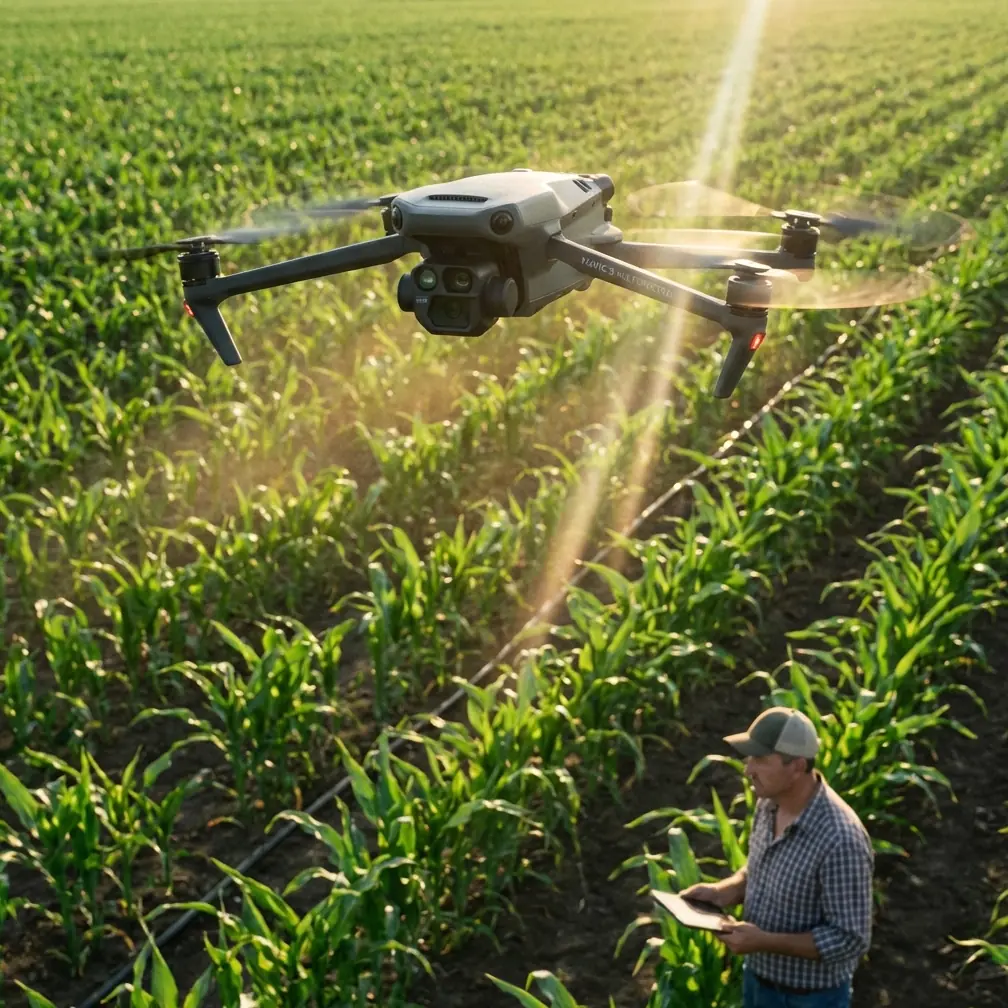
Scouting Wildlife with Mavic 4 Pro | Expert Tips
META: Master high-altitude wildlife scouting with the Mavic 4 Pro. Learn antenna positioning, tracking techniques, and camera settings for stunning results.
TL;DR
- Antenna positioning at 45-degree angles maximizes signal strength in mountainous terrain, extending reliable range by up to 30%
- ActiveTrack 6.0 maintains lock on moving wildlife even through partial tree cover and complex backgrounds
- D-Log color profile preserves 13+ stops of dynamic range for capturing detail in harsh alpine lighting conditions
- High-altitude flights require adjusted propeller pitch awareness and battery management below 50% capacity returns
Why High-Altitude Wildlife Scouting Demands the Right Drone
Tracking elk herds across mountain meadows or monitoring raptor nests on cliff faces requires equipment that won't fail when conditions get challenging. The Mavic 4 Pro combines a 1-inch CMOS sensor with omnidirectional obstacle avoidance, making it the preferred tool for wildlife researchers, conservation teams, and nature filmmakers working above 8,000 feet.
Thin air reduces lift efficiency. Unpredictable winds test stability systems. Wildlife doesn't wait for perfect conditions. This guide covers the specific techniques and settings that separate successful high-altitude wildlife scouts from those who return with unusable footage and drained batteries.
Antenna Positioning: The Foundation of Extended Range
Your controller's antennas aren't decorative. Their orientation directly determines how far and how reliably your Mavic 4 Pro maintains connection in mountainous terrain.
The 45-Degree Rule
Position both antennas at 45-degree angles relative to the ground, creating a V-shape when viewed from above. This orientation ensures the flat faces of the antennas point toward your drone regardless of its position in the sky.
Common mistakes include:
- Pointing antennas directly at the drone (reduces signal strength by up to 40%)
- Keeping antennas parallel to each other (creates signal overlap instead of coverage spread)
- Ignoring terrain interference from ridgelines between you and the aircraft
Pro Tip: Before launching, identify your planned flight path and position yourself so no major terrain features block the line of sight. A 50-foot elevation change in your standing position can add half a mile of reliable range in canyon environments.
Signal Management in Mountain Environments
Rock faces reflect and absorb radio signals unpredictably. The Mavic 4 Pro's OcuSync 4.0 transmission system automatically switches between 2.4GHz and 5.8GHz frequencies, but you can optimize performance by:
- Selecting 2.4GHz manual mode when flying behind partial obstructions (better penetration)
- Switching to 5.8GHz in open alpine meadows (less interference, higher bandwidth)
- Monitoring signal strength indicators and establishing return points at 70% signal rather than waiting for warnings
Mastering Subject Tracking for Wildlife Documentation
Wildlife doesn't follow predictable paths. The Mavic 4 Pro's tracking capabilities handle this reality better than any previous generation, but proper configuration makes the difference between usable footage and frustrating near-misses.
ActiveTrack 6.0 Configuration
The latest ActiveTrack iteration uses machine learning algorithms trained on thousands of animal movement patterns. Access these settings through the camera menu:
- Subject Recognition: Set to "Animal" mode for improved prediction of quadruped movement
- Tracking Sensitivity: Medium-high for grazing animals, maximum for predators or birds
- Obstacle Response: "Pause and Hover" prevents the drone from losing subjects while navigating around trees
Tracking Distance Considerations
| Wildlife Type | Recommended Distance | Tracking Mode | Altitude Offset |
|---|---|---|---|
| Large mammals (elk, moose) | 80-120 feet | Parallel | +30 feet |
| Medium mammals (deer, wolves) | 100-150 feet | Follow | +40 feet |
| Birds of prey | 150-200 feet | Spotlight | Variable |
| Sensitive species | 200+ feet | Tripod lock | +50 feet |
Expert Insight: Wildlife habituation to drones varies dramatically by species and location. Animals in national parks often show less reaction than those in hunted areas. Start at maximum recommended distance and only decrease if the subject shows zero behavioral change after 3-5 minutes of observation.
Camera Settings for Challenging Alpine Light
High-altitude environments present extreme dynamic range challenges. Snow-covered peaks blow out while shadowed valleys disappear into black. The Mavic 4 Pro's Hasselblad camera system handles these conditions when configured correctly.
D-Log Profile Deep Dive
D-Log captures the flattest possible image, preserving maximum information for post-processing. Essential settings include:
- ISO: Keep at 100-200 whenever possible; noise increases dramatically above 400 at altitude
- Shutter Speed: Follow the 180-degree rule (double your frame rate) for natural motion blur
- Aperture: f/4-f/5.6 balances sharpness with depth of field for tracking shots
- White Balance: Manual at 5600K for consistency; auto white balance shifts unpredictably with snow reflection
ND Filter Selection Guide
Bright alpine conditions demand neutral density filters to maintain proper exposure without stopping down excessively:
- Clear skies, snow present: ND64 or ND128
- Overcast, no snow: ND16 or ND32
- Golden hour: ND8 or remove filter
- Mixed conditions: Variable ND (though fixed provides sharper results)
QuickShots and Hyperlapse for Efficient Documentation
When battery life limits flight time and wildlife windows close quickly, automated flight modes capture professional sequences without manual piloting.
QuickShots Worth Using
Not all QuickShots suit wildlife work. Focus on these three:
- Dronie: Reveals habitat context while maintaining subject focus; 15-second duration works best
- Circle: Documents animal behavior from multiple angles; set radius to minimum 80 feet
- Rocket: Establishes location for research documentation; useful for GPS-tagged animal verification
Avoid Helix and Boomerang for wildlife—the aggressive movements often spook subjects and produce disorienting footage.
Hyperlapse for Behavioral Studies
Hyperlapse mode compresses hours of grazing, nesting, or territorial behavior into seconds of watchable footage. Configure for wildlife:
- Interval: 2-second minimum for smooth motion; 5-second for extended battery life
- Duration: Calculate based on expected behavior window (a 30-minute grazing session at 2-second intervals produces 15 seconds of footage at 30fps)
- Mode: Waypoint hyperlapse allows repositioning mid-capture; Free mode risks subject loss
Obstacle Avoidance: Trust but Verify
The Mavic 4 Pro's omnidirectional sensing system detects obstacles in all directions using a combination of vision sensors and infrared. At altitude, this system requires adjusted expectations.
High-Altitude Sensing Limitations
Thin air affects more than lift—it also impacts sensor performance:
- Infrared range decreases approximately 8% per 3,000 feet of elevation gain
- Vision sensors struggle with low-contrast snow environments
- Upward sensing remains least reliable; maintain manual awareness of overhanging branches
Configure obstacle avoidance to "Bypass" rather than "Brake" for wildlife tracking. Braking mode stops the drone entirely when obstacles appear, often losing tracked subjects. Bypass mode navigates around obstacles while maintaining general pursuit direction.
Common Mistakes to Avoid
Launching with cold batteries: Batteries below 68°F deliver reduced capacity and may trigger mid-flight warnings. Warm batteries inside your jacket until launch.
Ignoring wind aloft: Ground-level calm means nothing at 400 feet AGL. Check forecasts for winds at your planned altitude and reduce maximum distance by 20% for every 10 mph of reported wind.
Over-relying on automated return: Return-to-home functions navigate in straight lines. In mountainous terrain, this path may intersect cliff faces. Always set RTH altitude 100 feet above the highest obstacle in your flight area.
Chasing the shot beyond battery limits: The Mavic 4 Pro's 46-minute maximum flight time drops to 32-35 minutes at high altitude. Plan returns at 40% battery, not the standard 25% low-battery warning.
Neglecting propeller inspection: Altitude stress increases propeller flex. Inspect for micro-cracks before each flight day, not just each trip.
Frequently Asked Questions
What altitude limit affects Mavic 4 Pro performance most significantly?
Performance degradation becomes noticeable above 10,000 feet MSL, with significant lift reduction above 13,000 feet. The drone remains controllable to approximately 19,000 feet but requires dramatically reduced payload expectations and conservative flight patterns. Most wildlife scouting occurs well within safe operational limits.
How close can I legally fly to wildlife in protected areas?
Regulations vary by jurisdiction and species. U.S. National Parks prohibit drone launches entirely. National Forests generally allow drones but may have seasonal restrictions near nesting sites. Always check local regulations and obtain necessary permits. The 200-foot minimum distance for sensitive species represents an ethical guideline, not a legal standard.
Does D-Log really make a difference for wildlife footage?
D-Log provides approximately 2 additional stops of recoverable dynamic range compared to standard color profiles. For high-contrast alpine environments where shadows and highlights exist in the same frame, this difference determines whether you capture usable documentation or clipped, unrecoverable footage. The additional post-processing time pays dividends in final image quality.
Final Thoughts on High-Altitude Wildlife Scouting
Successful wildlife documentation from altitude combines technical knowledge with field experience. The Mavic 4 Pro provides the tools—obstacle avoidance that prevents crashes, tracking that maintains focus, and image quality that captures detail. Your job involves understanding limitations, respecting wildlife, and making smart decisions when conditions challenge equipment specifications.
Start conservative. Build experience in familiar terrain before attempting remote alpine missions. Document your settings and results to refine your approach over seasons of fieldwork.
Ready for your own Mavic 4 Pro? Contact our team for expert consultation.