
Mavic 4 Pro in Extreme-Temperature Venue Inspections
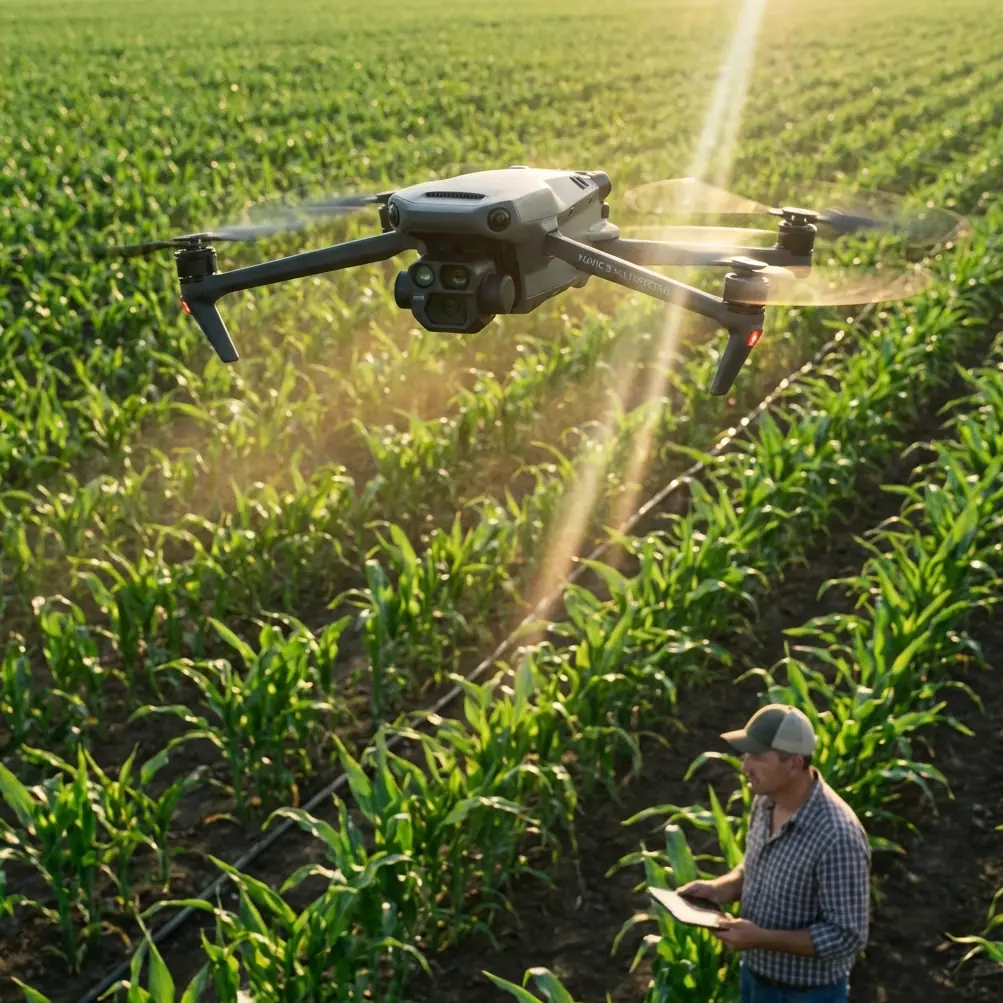
Mavic 4 Pro in Extreme-Temperature Venue Inspections: What Actually Matters in the Field
META: A technical review of the Mavic 4 Pro for venue inspections in extreme temperatures, covering obstacle avoidance, ActiveTrack, D-Log, Hyperlapse, flight planning, and field-tested best practices.
By Chris Park
A venue inspection drone is easy to judge on a calm afternoon. The real test starts when the site is radiating heat off concrete, or when winter wind turns every battery decision into a risk calculation.
That is where the Mavic 4 Pro becomes interesting.
Not because of marketing shorthand, but because venue work is full of small operational traps. A stadium exterior can create turbulent air along curved facades. Metal roofing can reflect glare into the camera and confuse your visual read of surface defects. Morning frost can leave railings and truss elements slick and visually uniform, making depth harder for a pilot to interpret from the screen. In these conditions, a drone needs to do more than fly smoothly. It needs to help the operator maintain spacing, preserve image quality, and reduce workload when the environment is already adding friction.
This review looks at the Mavic 4 Pro through that lens: not as a spec-sheet trophy, but as a working platform for inspecting venues in extreme temperatures.
Why extreme-temperature inspections are different
Venue inspection is usually repetitive, but not simple. You may be checking roof edges, signage mounts, HVAC housings, lighting rigs, facade joints, catwalk access zones, drainage paths, or the condition of cladding after a weather event. In mild conditions, those tasks are mostly about process. In hot or cold extremes, process still matters, yet the margins tighten.
Heat changes the job in two ways. First, batteries and electronics face sustained thermal load, especially over dark roofing, asphalt service roads, and seating bowls that store solar heat. Second, the air itself can distort what you see. Heat shimmer over roofs or mechanical yards can soften perceived detail and make slow, careful inspection passes more valuable than broad overview flights.
Cold creates a different set of problems. Battery behavior becomes less forgiving. Finger dexterity drops. Touchscreen use becomes clumsy. Wind often feels sharper near open venue architecture, and GPS-supported confidence can tempt pilots into complacency when they should be slowing down around structural complexity.
The Mavic 4 Pro’s value in this environment comes from how its flight aids, camera control, and automation work together. Obstacle avoidance, subject tracking modes such as ActiveTrack, QuickShots, and Hyperlapse are not just creative extras here. Used properly, they become practical tools for documentation and repeatability.
Obstacle avoidance is not a checkbox feature on venue jobs
A lot of pilots say they want obstacle avoidance. Fewer talk about when it genuinely saves time.
Venue inspections involve awkward geometry. Cantilevered roofs, lighting poles, suspended banners, cable runs, temporary event structures, and service gantries all create partial visual clutter. A drone without strong environmental awareness can still complete the mission, but the pilot workload climbs fast. You spend more attention on immediate collision risk and less on what you are inspecting.
On the Mavic 4 Pro, obstacle avoidance matters most when you are flying lateral passes near facades or orbiting external structures that include protruding elements. The operational significance is straightforward: if the aircraft can better perceive and react to nearby obstacles, the pilot can hold a cleaner line and preserve framing consistency. That translates into better comparison footage across multiple inspections.
That consistency is often more valuable than one dramatic close-up. Facility teams want to compare drainage staining, panel alignment, fastener condition, or roof membrane changes over time. If your spacing and angle are inconsistent from one inspection to the next, the footage loses analytical value.
There is also the wildlife factor, which many venue operators underestimate. I once flew a perimeter inspection around a large open-air sports venue at sunrise when a pair of gulls cut across the planned facade line and a pigeon burst from under a catwalk. That is the kind of moment that punishes tunnel vision. The Mavic 4 Pro’s sensing and avoidance logic are especially useful in these unpredictable micro-events because they give the pilot a layer of reaction support when attention is split between structure, framing, and live environmental movement. The drone did what you want any serious inspection aircraft to do: detect, hesitate, and preserve separation instead of charging through the line.
That is not a cinematic anecdote. It is operational resilience.
ActiveTrack and subject tracking are surprisingly useful for inspection workflows
Most people associate ActiveTrack with moving people, vehicles, or outdoor recreation. In venue work, its usefulness is subtler.
When inspecting maintenance vehicles, lift equipment, or roof access teams moving across a site, subject tracking can help document procedures and spacing without requiring the pilot to manually chase every movement. That creates a stable visual record of how crews interact with temporary structures, loading zones, or access paths in difficult weather. During hot-weather operations, it also reduces unnecessary stick input and repeated repositioning, which helps conserve mental bandwidth.
There is another use case. If you need a repeatable moving reference along the exterior perimeter of a venue, tracking a service cart or following a predefined movement path can produce a consistent visual sweep of facade and access conditions. The point is not automation for its own sake. The point is reducing pilot task saturation while preserving useful framing.
QuickShots can also play a practical role. Not as a social-media trick, but as a way to generate standardized establishing clips for reports. A controlled reveal of a seating section, roof edge, or loading yard can help a facility manager orient themselves before reviewing detailed fault imagery. Hyperlapse serves a similar purpose when documenting changing surface use, crowd-control layouts before an event, or weather progression across a site. In winter, a Hyperlapse sequence can reveal where thaw patterns expose drainage problems. In summer, it can show how roof zones heat unevenly through the day.
Camera control matters more than raw sharpness
For inspection work, image quality is not just about a pleasing picture. It is about preserving details that remain interpretable under difficult lighting.
That is why D-Log is worth discussing in a technical review. In venues, you are often dealing with brutal contrast: white roofing next to dark equipment housings, reflective glass above shadowed access corridors, sunlit seating interrupted by black truss structures. A flat profile like D-Log gives you more flexibility when balancing highlights and shadows in post-processing, which can help surface condition details survive the edit instead of getting clipped or crushed.
Operationally, this matters when your footage is headed into a maintenance report or insurer-facing documentation set. You do not want highlights on roof membranes blown out at midday, and you do not want shadow detail under overhangs disappearing because the camera was forced into a narrower tonal interpretation. D-Log gives the reviewing team more to work with.
That said, not every inspection should be captured in a flatter profile. If a facilities team needs same-day review with minimal processing, a more direct capture approach may be better. The Mavic 4 Pro’s advantage is flexibility. You can choose the workflow that fits the decision timeline rather than forcing every mission into the same visual pipeline.
Heat strategy: how to fly the Mavic 4 Pro when the venue is cooking
Hot-surface inspections are where discipline separates useful flights from compromised ones.
Start early. Even if the issue you are inspecting appears to worsen later in the day, the best baseline documentation usually comes in the morning before thermal turbulence intensifies. Use that early window for close structural passes and detail work. Save wider contextual shots for later if needed.
Avoid long hovers above dark roofs or paved service areas. The drone may tolerate heat, but hovering over rising thermal plumes can reduce visual steadiness and make minor corrections feel larger than they are. Keep moving with deliberate, slow lines.
Monitor battery behavior more conservatively than you would in mild weather. Extreme heat is not the time to stretch the last portion of a pack. If a venue requires repeated flights, rotate batteries so no single pack takes the full thermal burden back-to-back.
Watch the screen and the aircraft, not just one or the other. Heat shimmer can make the live view less trustworthy for fine assessment. If obstacle avoidance triggers or the aircraft hesitates near a facade, take that cue seriously. The system may be reading environmental complexity that looks less obvious on your display.
And if you are coordinating a venue-specific inspection plan, field notes, or repeat-pass setup, this direct project chat link is a cleaner way to align requirements before anyone arrives on site.
Cold strategy: where the Mavic 4 Pro helps and where the pilot still has to compensate
Cold-weather flying exposes weak habits.
Pre-flight battery management becomes central. Batteries should be kept within a workable temperature range before launch rather than left sitting in ambient cold until they are needed. Once airborne, avoid immediate high-demand maneuvers. Let the system settle into normal operating behavior before asking for aggressive climbs or fast transit across open sections of the venue.
The Mavic 4 Pro’s obstacle avoidance remains useful in winter, but pilots need to remember that frost, low-angle light, and visually uniform surfaces can change how scenes are perceived from the controller. Catwalks, roof rails, and cable lines may appear flatter and less distinct. The aircraft’s sensing support helps here, yet it should not encourage tighter margins. In cold conditions, I widen them.
Wind is another issue. Large venues create strange flow patterns around corners, roof lips, and open entrances. If your subject tracking or ActiveTrack sequence starts to drift in a gusty corridor, abandon the automation and reset manually. Automation is a tool, not a commitment.
One practical advantage in winter is that lower ambient temperatures can make sustained inspection sessions easier on electronics than peak summer work, provided batteries are managed properly. So the limiting factor often becomes pilot comfort and dexterity, not the aircraft itself. Build shorter sorties. Land more often. Review footage in stages instead of pushing through numb hands and hoping you got what you needed.
A repeatable inspection workflow for the Mavic 4 Pro
For venue operators or contractors, repeatability is the real win. Here is the workflow I recommend.
1. Start with a thermal-neutral overview
Begin with broad perimeter passes while the site is visually calm and before heat or wind builds. Establish roof edges, drainage lines, facade continuity, and access constraints.
2. Fly structure-first, not camera-first
Do not chase pretty angles. Build passes around the geometry of the venue: corners, roof transitions, signage anchors, lighting structures, and service access points.
3. Use obstacle avoidance to reduce workload, not to justify risk
Let the aircraft help you maintain a clean standoff distance. Do not use sensing as permission to thread tighter gaps.
4. Reserve ActiveTrack for moving-reference tasks
Crew movement, service vehicle path documentation, and repeatable perimeter sweeps are where subject tracking earns its place.
5. Capture both immediate-review footage and post-friendly footage
If the team needs fast answers, record in a format that is easy to evaluate quickly. If the mission may support engineering review later, gather selected D-Log clips for difficult lighting zones.
6. Use Hyperlapse and QuickShots with intent
A short automated orbit or timed sequence can give managers context that static defect clips cannot. Keep these sequences standardized so they become comparable over time.
7. End every flight with a notes pass
Record spoken or written notes immediately after landing: wind behavior, heat shimmer, wildlife interference, battery performance, and any areas that deserve a second look. Those notes make the next inspection better.
Final assessment
The Mavic 4 Pro makes sense for extreme-temperature venue inspections because it reduces friction in exactly the places where inspections tend to break down: spacing, consistency, workload, and image adaptability.
Obstacle avoidance has real value around cluttered venue architecture. ActiveTrack is more useful than many inspection teams assume, especially when documenting moving operations or building repeatable perimeter visuals. D-Log is not a creative indulgence here; it is a practical option for retaining detail in high-contrast scenes. QuickShots and Hyperlapse, used with restraint, improve reporting context rather than merely dressing up footage.
What I like most is not one isolated feature. It is the way the platform supports disciplined operators who already understand that inspection flying is about evidence, not drama.
If your work involves venues under harsh seasonal conditions, that distinction matters.
Ready for your own Mavic 4 Pro? Contact our team for expert consultation.