
Mavic 4 Pro Inspecting Tips for Venues in Extreme Temperatur
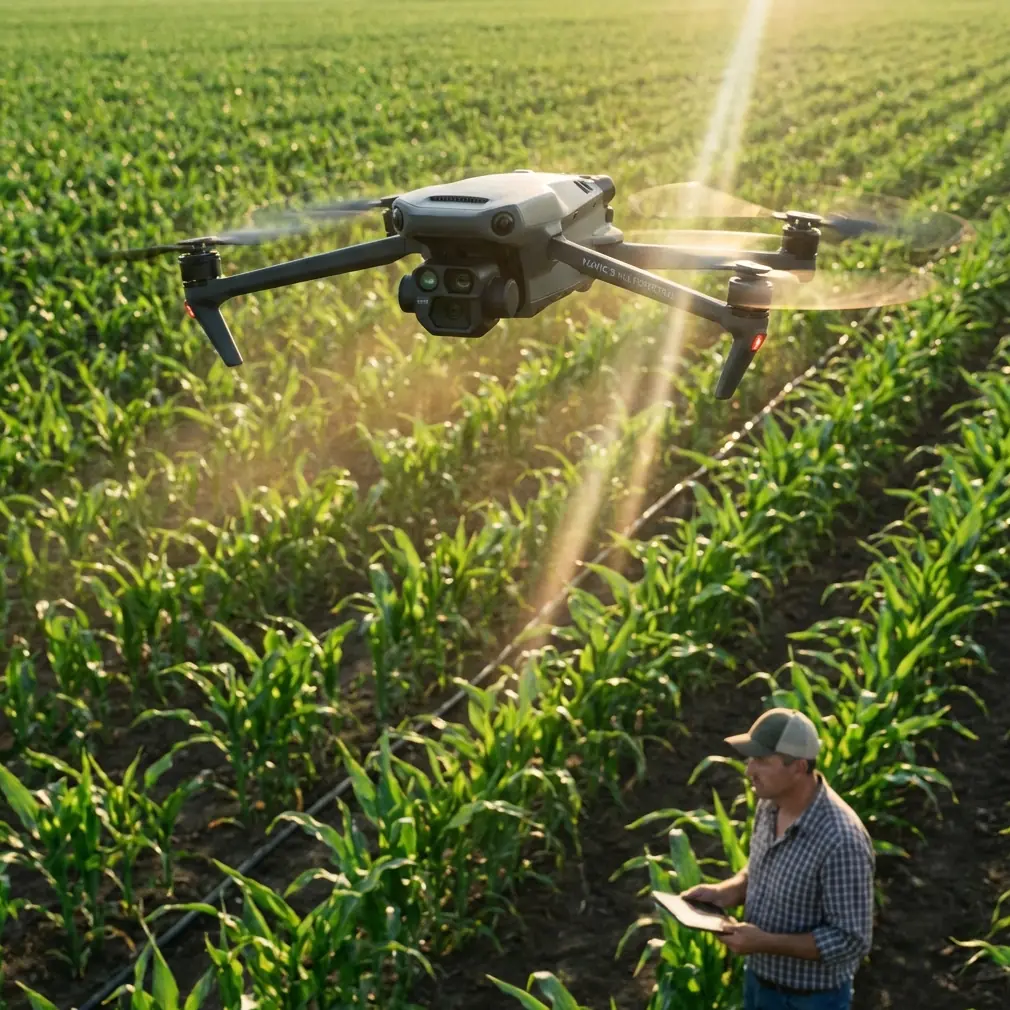
Mavic 4 Pro Inspecting Tips for Venues in Extreme Temperatures
META: A technical review of using the Mavic 4 Pro for venue inspection in extreme heat and cold, with practical tips on obstacle avoidance, ActiveTrack, D-Log workflows, and accessory choices.
I approach venue inspection a little differently than a pure survey pilot or a pure filmmaker. My background is photography, so I care about light, dynamic range, framing, and repeatability. But when I am inspecting a stadium exterior, an event pavilion, a mountain amphitheater, or a desert-side resort in punishing weather, aesthetics stop being the main story. Reliability becomes the story. The Mavic 4 Pro sits in that intersection: a camera-forward drone that also makes real sense for civilian inspection work when temperatures are working against both pilot and aircraft.
This is not a generic overview of what a flagship drone can do. It is a technical look at how the Mavic 4 Pro fits the specific job of inspecting venues in extreme heat and extreme cold, where battery behavior, obstacle sensing, tracking stability, and image profile choices all become operational decisions rather than spec-sheet trivia.
Why venue inspection in harsh weather is a different kind of flying
Venues are awkward subjects. They are large, reflective, layered, and often surrounded by structural clutter. Roof trusses, lighting rigs, catwalks, signage, fencing, temporary staging, HVAC units, and glass facades all challenge a drone in different ways. Add thermal stress and the mission gets less forgiving.
Cold weather can reduce battery performance and shorten usable flight windows. Heat can push electronics harder, increase atmospheric shimmer, and affect how long you want the drone hovering near reflective roofing or concrete. In both cases, your inspection plan needs to be tighter than it would be on a mild spring afternoon.
That is where the Mavic 4 Pro’s practical toolkit matters most. Obstacle avoidance is not just a safety bullet point when you are skimming along the edge of a grandstand canopy or backing away from a loading-bay facade with antennas overhead. Subject tracking and ActiveTrack are not only for lifestyle clips; they can stabilize repeat passes around moving maintenance vehicles or support controlled visual documentation of venue perimeters. QuickShots and Hyperlapse are not only creative toys either. Used selectively, they can create repeatable contextual footage that helps venue managers understand how isolated defects relate to the larger site.
The real trick is knowing when to treat these features as inspection tools and when to turn them off.
Extreme heat: where image quality and thermal discipline collide
Hot-weather venue inspections often happen on surfaces that amplify heat: synthetic turf, black roofing membranes, exposed steel, concrete plazas, solar canopies. Midday flying over those materials can create visible shimmer, lower local contrast, and make small details harder to judge in footage.
The Mavic 4 Pro’s image pipeline becomes especially useful here if you shoot in D-Log for scenes with strong contrast. That matters because venue inspections often include both shadowed recesses and bright sunlit roofs in the same pass. A flatter profile gives you more flexibility to recover detail later, especially when the purpose of the flight is documentation rather than immediate social-ready output. The operational significance is straightforward: if a roof seam or facade joint is only barely visible because harsh sunlight clips highlights, you want the most recoverable file you can get.
But D-Log is not automatically the best choice for every mission. In extreme heat, turnaround time matters. Sometimes the site team needs immediate review on a tablet in the shade. In those cases, I often capture a primary pass with a flatter profile for archive and a second, shorter pass with a standard profile for quick field interpretation. That split workflow prevents one common problem: gorgeous files that nobody can read quickly when the maintenance supervisor wants an answer now.
Heat also changes how I use hover time. Many pilots drift into slow, indecisive inspection habits around complex architecture. In hot conditions, that is wasteful. I build short, deliberate segments. Facade line. Roof edge. Drainage path. Signage mount. Mechanical unit. Then back down and reassess. The Mavic 4 Pro’s stable imaging and obstacle awareness support that segmented style well, but the discipline has to come from the operator.
Extreme cold: battery realism beats confidence
Cold-weather venue work is where experienced pilots separate themselves from people who trust nominal specs too much. Even if the Mavic 4 Pro is handling well, battery behavior in low temperatures deserves constant skepticism. I do not plan flights around ideal duration. I plan around margin.
A cold inspection sortie should focus on the highest-value sightlines first. If the venue team needs confirmation on roof drainage near snow accumulation, elevated signage brackets, or damage along a wind-exposed seating structure, those passes happen first. Wide cinematic or contextual footage can wait.
This is also where ActiveTrack can become surprisingly useful. Not for flashy follows, but for maintaining a disciplined relative path around a service vehicle, lift platform, or walking site lead who is guiding attention to multiple exterior points. In cold conditions, reducing unnecessary stick input can help the pilot stay focused on battery state, wind behavior, and route clearance. The feature is only useful if the subject path is predictable and the environment is not excessively cluttered. Otherwise, manual control remains the smarter choice.
Obstacle avoidance has particular value in winter when visual depth cues are dulled by flat light, frost, or uniformly pale surfaces. A venue full of steel beams and support cables is already a difficult space. Add cold haze or light snow, and even a skilled pilot can lose visual separation between foreground and background structure. Having obstacle sensing as a second layer of awareness changes the margin for error. Not a substitute for judgment, but a meaningful layer.
The accessory that actually improved inspection work
The third-party add-on that has helped me most in extreme-temperature venue inspections is not exotic. It is a high-quality sun hood for the controller display, paired with a thermal-stable landing pad for rough surfaces.
The hood sounds mundane until you are trying to judge edge detail on a bright roof in severe sun or monitor histogram behavior in snow glare. In both heat and cold, screen visibility directly affects flight quality. If you cannot confidently read exposure or inspect live-feed detail, you end up overflying, repeating passes, and burning time. A good hood makes D-Log exposure decisions more reliable and reduces the temptation to fly too close just to “see better.”
The landing pad matters in a different way. Venue work rarely gives you a perfect launch point. You may be taking off from dusty parking areas, frozen gravel, artificial turf edges, or wind-blown service lanes. A stable third-party pad helps protect the gimbal and camera during startup and landing, especially when temperature extremes already make hardware management less forgiving. Simple accessories often produce the biggest gain because they improve consistency, not because they add novelty.
If you are comparing field setups or need a practical recommendation list for hot and cold venue work, I usually point people to a direct chat option here: message me on WhatsApp.
Obstacle avoidance is only as smart as your route design
There is a bad habit in drone operations: pilots treat obstacle sensing as permission to fly lazily. Around venues, that can create messy footage and unpredictable movement even when the aircraft avoids contact.
The better use of obstacle avoidance on the Mavic 4 Pro is preemptive, not reactive. Design routes that respect likely blind spots. Stay conscious of overhangs, wires, temporary rigging, and reflective surfaces. Give the drone clean geometry to work with. That approach matters operationally because inspection footage has to be readable. A drone that brakes unexpectedly or sidesteps around a structure may avoid impact, but it can ruin the continuity you need to evaluate a crack line, water path, or mount alignment.
For venue exteriors, I often use a three-pass logic:
- A high, slow establishing orbit to understand the site and identify thermal or wind trouble zones.
- Medium-height linear passes focused on facades, roof transitions, or signage.
- Close detail passes only after confirming there are no hidden obstructions or airflow issues.
This sequence lets the Mavic 4 Pro’s obstacle systems support the mission without letting automation dictate the mission.
QuickShots and Hyperlapse can be legitimate inspection tools
These modes are easy to dismiss in technical work, but that misses their value. Venue managers and property teams do not always think in isolated defects. They need context.
A controlled QuickShot can show the relationship between a damaged canopy edge and the adjacent pedestrian entrance. A Hyperlapse sequence can reveal how shadow movement, visitor flow routes, or event setup activity changes access around exterior structures during the day. For recurring inspections, time-based footage also helps document environmental conditions around the venue, especially in places where heat loads or frost patterns change by hour.
The key is restraint. These modes are not your primary inspection method. They are contextual supplements. Used correctly, they turn a pile of clips into a more intelligible report.
Image strategy: detail first, style second
Photographers tend to enjoy pushing color, but venue inspection should stay disciplined. The Mavic 4 Pro gives you enough image flexibility to create attractive files, yet inspection footage should prioritize legibility.
My default approach in difficult weather is straightforward:
- D-Log when the scene has extreme contrast and the footage will be reviewed properly later.
- Standard or less flat capture when the site team needs immediate interpretation in the field.
- Slightly conservative exposure to protect highlights on reflective roofs, metal trim, or pale concrete.
- Repeatable camera movement over dramatic camera movement.
That last point matters more than many pilots realize. Repeating nearly identical angles during future inspections is often more valuable than producing one spectacular pass today. If the venue owner wants to compare seam wear, facade staining, drainage performance, or signage alignment over time, consistency wins.
Tracking features are best when the venue is busy, not when it is dangerous
Subject tracking and ActiveTrack become useful on venue sites with moving personnel or support equipment, especially during setup or maintenance windows. They can help maintain framing on a cherry picker inspecting signage, a grounds team moving around a stadium exterior, or a site lead walking a perimeter route. That saves pilot workload and keeps the visual narrative coherent.
But there is a line. If the environment is crowded with rigging, overhangs, mesh structures, or thin obstacles, I do not let tracking decide movement. Inspection work is usually too important to hand over blindly. The Mavic 4 Pro gives you the option, not the obligation.
What makes the Mavic 4 Pro a strong venue inspection platform
For this specific reader scenario, the value of the Mavic 4 Pro comes down to how several features work together under pressure.
Obstacle avoidance matters because venues are structurally dense and visually confusing, especially in low-contrast winter light or around reflective summer surfaces. ActiveTrack matters because certain inspection paths are easier to document when the drone can maintain a consistent relationship to a moving guide or asset. D-Log matters because venue exteriors often compress bright and dark areas into the same frame, and preserving that tonal information can make post-flight analysis more useful. QuickShots and Hyperlapse matter because venue stakeholders frequently need context, not just close-up evidence.
None of those tools replaces careful route planning, battery margin, weather judgment, or visual discipline. What the Mavic 4 Pro offers is a way to execute those fundamentals with less friction.
For photographers stepping into technical inspection, that is a big deal. You do not have to abandon image quality to get practical results. And for inspection teams that usually think in pure utility terms, the camera quality is not a luxury. It is what helps turn a difficult-weather flight into footage that can actually support maintenance decisions.
That is the standard I care about. Not whether the drone can produce an impressive clip on a calm day, but whether it can help document a complex venue cleanly when heat is distorting the air, cold is pressuring your battery plan, and the site manager needs answers from the footage.
Ready for your own Mavic 4 Pro? Contact our team for expert consultation.