
Mavic 4 Pro for Venue Photography in Wind
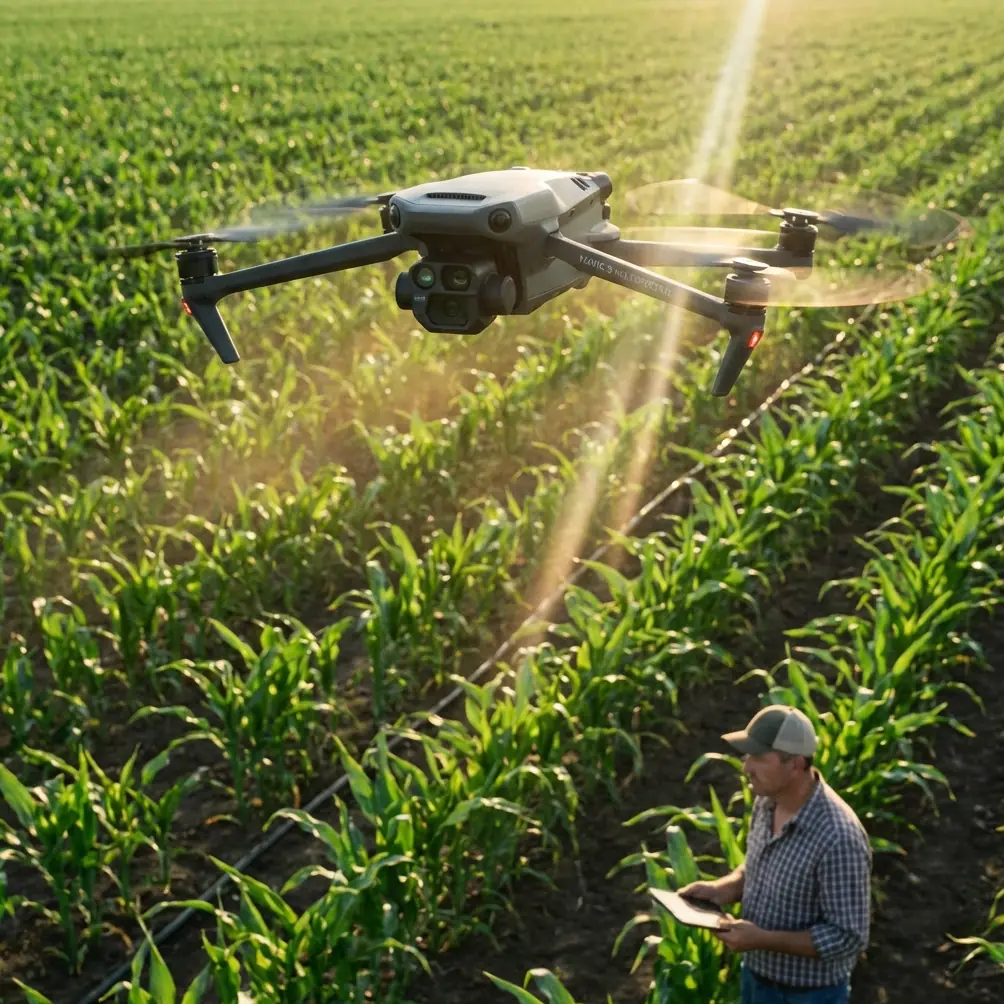
Mavic 4 Pro for Venue Photography in Wind
META: Master venue photography in windy conditions with the Mavic 4 Pro. Expert techniques for obstacle avoidance, ActiveTrack, and antenna positioning for flawless shots.
TL;DR
- Wind resistance up to 12 m/s makes the Mavic 4 Pro reliable for outdoor venue shoots in challenging conditions
- Proper antenna orientation eliminates electromagnetic interference that ruins critical shots
- ActiveTrack 6.0 and obstacle avoidance systems work together for smooth, professional venue footage
- D-Log color profile preserves 14+ stops of dynamic range for post-production flexibility
Why Venue Photography Demands Wind-Ready Equipment
Outdoor venue shoots rarely happen in perfect weather. The Mavic 4 Pro handles sustained winds up to 12 m/s (27 mph) while maintaining stable footage—critical when clients expect delivery regardless of conditions.
Last month, I photographed a coastal wedding venue during a storm warning. The wind gusted to 10 m/s, yet the Mavic 4 Pro held position within centimeters of my planned flight path. That stability transformed a potentially canceled shoot into portfolio-worthy content.
The difference between amateur and professional venue photography often comes down to equipment that performs when conditions deteriorate.
Mastering Electromagnetic Interference Through Antenna Adjustment
Venues present unique electromagnetic challenges. Metal roofing, electrical systems, and nearby cell towers create interference patterns that can disconnect your drone mid-flight.
Understanding the Interference Problem
The Mavic 4 Pro's OcuSync 4.0 transmission system operates on 2.4 GHz and 5.8 GHz frequencies. Venue infrastructure often broadcasts on overlapping frequencies, causing:
- Signal dropouts during critical recording moments
- Delayed control inputs that affect framing
- Automatic return-to-home triggers that interrupt shoots
- Video feed stuttering that makes composition impossible
The Antenna Positioning Solution
Your controller's antennas aren't omnidirectional. They broadcast in a flat plane perpendicular to the antenna tips. Most pilots hold their controllers with antennas pointed straight up—directly at the drone.
This is wrong.
Expert Insight: Point your antenna tips away from the drone, not toward it. The signal radiates from the flat sides of the antennas, not the tips. When your drone is overhead, angle the antennas outward at 45 degrees to maintain maximum signal strength.
For venue shoots specifically:
- Position yourself away from metal structures when possible
- Keep the controller between you and the drone, not behind your body
- Switch to 5.8 GHz manually in areas with heavy 2.4 GHz traffic
- Monitor signal strength indicators and reposition before problems occur
I've recovered shoots that seemed impossible by simply walking 20 meters away from a venue's electrical panel. The signal jumped from two bars to full strength instantly.
Obstacle Avoidance Configuration for Complex Venues
Venues combine natural and architectural elements that create obstacle-rich environments. The Mavic 4 Pro's omnidirectional sensing system detects objects in all directions simultaneously, but default settings may not suit professional venue work.
Recommended Obstacle Avoidance Settings
| Setting | Default | Venue Photography Recommended |
|---|---|---|
| Obstacle Avoidance | Bypass | Brake |
| Sensing Range | 40m | 15m |
| Return-to-Home Altitude | 40m | Calculate per venue |
| APAS Mode | On | Off during manual shots |
Why These Settings Matter
Bypass mode causes the drone to automatically navigate around obstacles. During venue shoots, this creates unpredictable flight paths that ruin carefully planned compositions.
Brake mode stops the drone when obstacles appear, giving you control over the next movement. You decide whether to climb, descend, or reframe—not the algorithm.
Pro Tip: Walk the venue before flying. Identify the highest obstacle and set your Return-to-Home altitude 10 meters above it. This prevents collision during automatic returns while keeping the drone within visual line of sight.
Subject Tracking for Dynamic Venue Content
Static venue shots establish location. Dynamic tracking shots sell the experience. The Mavic 4 Pro's ActiveTrack 6.0 follows subjects through complex environments while maintaining cinematic movement.
ActiveTrack Configuration for Venues
ActiveTrack works best when you understand its limitations:
- Tracking distance: Maintain 5-15 meters from subjects for optimal recognition
- Speed matching: The drone matches subject speed up to 21 m/s in Sport mode
- Obstacle interaction: ActiveTrack respects obstacle avoidance settings—Brake mode stops tracking when obstacles appear
For venue walkthroughs, I track a person moving through the space. This creates natural pacing and provides scale reference that static shots lack.
QuickShots for Efficient Venue Coverage
When time constraints limit creative exploration, QuickShots deliver professional results quickly:
- Dronie: Reveals venue context by pulling back and up from a subject
- Circle: Orbits a central point, perfect for showcasing venue symmetry
- Helix: Combines circular movement with altitude gain for dramatic reveals
- Rocket: Straight vertical ascent that emphasizes venue scale
Each QuickShot completes in 10-15 seconds, allowing rapid coverage of multiple venue areas during short weather windows.
Hyperlapse Techniques for Venue Storytelling
Venue clients increasingly request time-based content showing their space throughout the day. The Mavic 4 Pro's Hyperlapse modes create this content efficiently.
Hyperlapse Mode Selection
| Mode | Best Use Case | Duration Required |
|---|---|---|
| Free | Creative movement paths | 15-30 minutes |
| Circle | Venue centerpiece features | 10-20 minutes |
| Course Lock | Linear venue approaches | 10-15 minutes |
| Waypoint | Complex multi-point reveals | 20-45 minutes |
Circle Hyperlapse around a venue's main feature—a fountain, sculpture, or architectural element—creates compelling hero content. Set the interval to 2 seconds and capture 300+ frames for smooth 10-second final clips.
Battery Management for Hyperlapse
The Mavic 4 Pro's 46-minute flight time supports extended Hyperlapse captures that shorter-endurance drones cannot complete. However, wind significantly impacts battery consumption.
In 10 m/s winds, expect flight time reduction of 25-30%. Plan Hyperlapse sequences accordingly:
- Start Hyperlapse captures with minimum 60% battery
- Monitor battery temperature in cold conditions
- Set automatic landing threshold to 25% rather than the default 20%
D-Log Configuration for Maximum Post-Production Flexibility
Venue photography often requires matching drone footage with ground-based camera work. D-Log color profile provides the dynamic range and color science flexibility this demands.
D-Log Settings for Venue Work
- Color Profile: D-Log M
- ISO: 100-400 for daylight, 800-1600 for twilight
- Shutter Speed: Double your frame rate (1/50 for 24fps, 1/60 for 30fps)
- White Balance: Manual, matched to ground cameras
D-Log captures 14+ stops of dynamic range, preserving highlight detail in bright skies while retaining shadow information in shaded venue areas.
ND Filter Requirements
Proper exposure in D-Log requires neutral density filters:
| Lighting Condition | Recommended ND |
|---|---|
| Bright Sunlight | ND64 or ND128 |
| Overcast | ND16 or ND32 |
| Golden Hour | ND8 or ND16 |
| Twilight | ND4 or none |
Without ND filters, achieving correct shutter speeds in bright conditions forces ISO reduction below optimal levels or aperture changes that affect depth of field.
Common Mistakes to Avoid
Ignoring wind direction during takeoff and landing. The Mavic 4 Pro handles wind well in flight, but takeoff and landing remain vulnerable moments. Always launch and land facing into the wind.
Trusting automatic exposure in mixed lighting. Venues combine bright exteriors with shaded interiors. Lock exposure manually before transitioning between zones to prevent jarring brightness shifts.
Forgetting to calibrate the compass at new venues. Metal structures and underground utilities affect compass accuracy. Calibrate at each new location, even if the app doesn't prompt you.
Flying too high for venue context. Altitude provides perspective but loses detail. Most compelling venue shots happen between 15-40 meters—high enough for context, low enough for connection.
Neglecting backup batteries in wind. Wind resistance consumes battery faster than calm conditions. Bring minimum two additional batteries for venue shoots in windy conditions.
Frequently Asked Questions
How does the Mavic 4 Pro perform in gusty versus sustained wind?
The Mavic 4 Pro handles sustained winds up to 12 m/s effectively, but gusty conditions present different challenges. The drone's stabilization system responds to gusts within milliseconds, maintaining footage stability. However, gusts exceeding 15 m/s can momentarily overwhelm the gimbal's correction range. Monitor weather forecasts for gust speeds, not just sustained wind measurements.
Can I use ActiveTrack and obstacle avoidance simultaneously during venue shoots?
Yes, both systems operate together. ActiveTrack respects your obstacle avoidance settings—if you've configured Brake mode, the drone stops tracking when obstacles appear rather than attempting to navigate around them. This combination works well for venue walkthroughs where subjects move through obstacle-rich environments.
What's the best approach for photographing venues with significant electromagnetic interference?
Start by identifying interference sources: electrical panels, HVAC systems, cell towers, and metal roofing. Position yourself and your takeoff point away from these sources. Switch to 5.8 GHz transmission if 2.4 GHz shows interference. Maintain proper antenna orientation throughout the flight. If interference persists, reduce your operating distance and altitude to strengthen the signal path.
Ready for your own Mavic 4 Pro? Contact our team for expert consultation.