
Mavic 4 Pro in Extreme Temperatures: A Venue Photographer’s
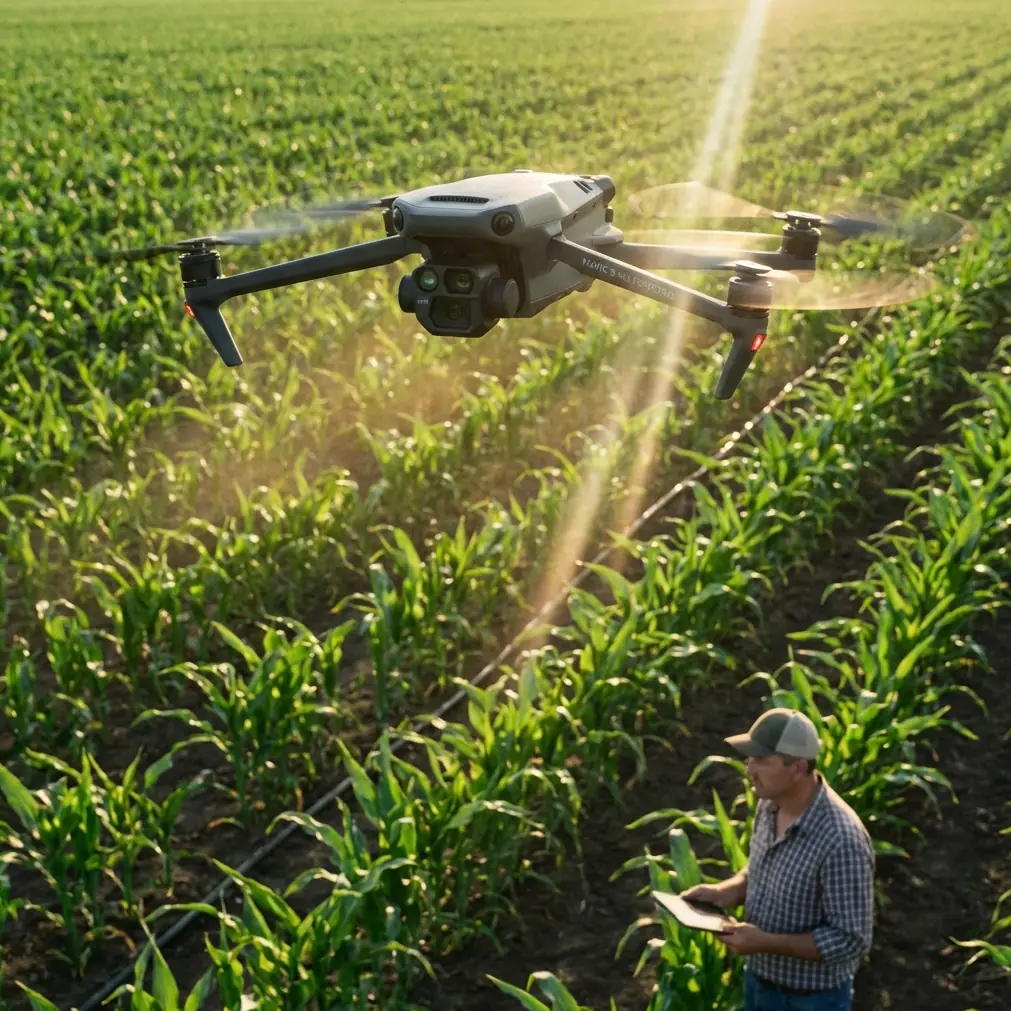
Mavic 4 Pro in Extreme Temperatures: A Venue Photographer’s Case Study on Stability, Sensors, and Pre-Flight Discipline
META: A real-world Mavic 4 Pro case study for venue photography in extreme temperatures, with practical insights on sensor care, obstacle avoidance, tracking, D-Log workflows, and flight reliability.
Extreme-temperature venue work has a way of exposing every weak habit a drone operator has.
I learned that the hard way on a location shoot that started before sunrise in bitter cold, then pushed into a heat-baked afternoon over concrete, glass, and reflective metal. The assignment was simple on paper: capture a large event venue and surrounding grounds for marketing, operations, and seasonal planning. The reality was less forgiving. Low temperatures can affect responsiveness and battery behavior. Heat can soften contrast, stress electronics, and create shimmer that makes judging movement harder than it should be. Add narrow approach paths, signage, rooflines, and crowds moving through the property, and the drone stops being a convenience tool. It becomes a flying systems test.
That is where the Mavic 4 Pro conversation gets interesting.
Most articles about this aircraft stay at the feature level. Obstacle avoidance. Subject tracking. QuickShots. Hyperlapse. D-Log. ActiveTrack. Useful terms, yes, but not especially helpful unless we tie them to an actual operating problem. For venue work in extreme conditions, the question is not whether those features exist. The question is whether they keep producing reliable results when temperature, surface conditions, and workflow pressure all start stacking against you.
My answer, after using the Mavic 4 Pro style workflow on demanding venue captures, is that performance in these conditions comes down to three things: platform stability, sensor trust, and pilot discipline. The drone matters. The routine matters more.
The pre-flight step that protects the “smart” features
Before I talk about tracking shots or color, here is the least glamorous part of the day—and possibly the most important.
I clean the vision sensors and camera glass before every cold-to-warm transition and before every dusty or heat-heavy takeoff.
That sounds basic, but it directly affects the very features people depend on most in venue environments: obstacle avoidance and subject tracking. If the aircraft is reading the world through smudged optical surfaces, you have already introduced uncertainty into the flight. In cold weather, condensation risk rises when gear moves between vehicles, interiors, and open air. In hot environments, dust, pollen, and fine debris cling to the body and lens areas more easily than many pilots realize.
For a venue photographer, this matters because obstacle avoidance is not some abstract safety badge. It is what helps the aircraft interpret lamp posts, façade edges, cables, railings, roofline overhangs, and landscaping features while you are concentrating on framing. Subject tracking and ActiveTrack are equally vulnerable to compromised optics. If the drone is trying to follow a walking venue manager, a golf cart, or a guided site tour, a dirty sensor stack can reduce confidence right when the background is busiest.
My routine is simple: power off, inspect sensor windows and lens surfaces in shade, use an air blower first, then a clean microfiber if needed, and never rush this step just because the light is changing. In extreme temperatures, this is not fussiness. It is part of flight safety and shot consistency.
Why a hexacopter design thesis still says something useful about a modern compact drone
One of the more interesting reference points for thinking about the Mavic 4 Pro comes from an academic thesis on hexacopter design from Harbin Institute of Technology. On the surface, a six-rotor research platform and a folding camera drone live in different worlds. But the thesis structure highlights something that still defines good drone performance today: mathematical modeling, sensor design, control algorithms, filtering, and flight testing are inseparable.
The document explicitly breaks the aircraft problem into chapters on a mathematical model, hardware design, control algorithm design, and flight experiments. It also drills into specific elements such as coordinate system definition, four basic flight motions, wireless communication links, attitude sensors, altitude sensors, position sensors, vibration reduction and filtering for attitude sensing, speed allocation strategy, ultrasonic sensor filtering, and sensor fusion between altitude sensing and accelerometers.
That may sound academic, but it maps directly onto what venue operators care about in the field.
A drone flying around a venue in extreme temperatures is constantly solving those same categories of problems. It must know its orientation. It must filter noisy inputs. It must reconcile multiple sensor streams. It must allocate motor output smoothly. And it must maintain control when environmental conditions degrade the quality of some measurements.
The thesis page references are not product specs, but they reveal a truth many buyers overlook: reliable aerial imaging is built on control logic, not just camera resolution. Chapter 4 in the source focuses on control algorithms, including vibration reduction and filtering for attitude sensors on page 24 and a speed allocation strategy on page 28. Operationally, that matters because venue photography often requires slow, deliberate motion near structures. If the aircraft cannot suppress vibration noise and distribute rotor response cleanly, the footage suffers long before the pilot notices a major handling problem.
The source also references altitude sensor filtering and fusion with an accelerometer around page 34. That matters in extreme-temperature venue work because altitude confidence becomes more valuable when operating near stepped landscaping, terraces, loading zones, and changing surface textures. A drone that fuses sensor data intelligently is better equipped to hold smooth vertical behavior when the environment is visually busy or thermally unstable.
The morning cold flight: what stability really looks like on site
On this particular venue assignment, the first launch happened in low morning temperatures with stiff air and an almost metallic feel to the scene. The goal was to establish the property with broad reveals before direct sunlight flattened the architecture.
This is where I appreciate a drone that behaves predictably in basic motion. The Harbin thesis references the “four basic” flight motions, which sounds elementary until you are trying to execute a slow diagonal rise while yawing around a building corner without jolting the frame. In practice, clean venue cinematography is mostly a series of disciplined combinations of those fundamentals: climb, descend, move laterally, rotate, and hold a stable attitude while the environment changes around you.
The Mavic 4 Pro workflow shines when the aircraft lets you focus on composition instead of constant correction. Early in the cold, I avoid aggressive inputs and give the aircraft a little extra time to settle on hover. I also review the live feed critically for tiny signs of jitter, because subtle instability in the cold can become visible later when editing slow architectural passes.
Obstacle avoidance is especially useful at this stage, not as permission to fly carelessly, but as a second layer of awareness when working around entrance structures and decorative lighting. Venue properties often have repeating geometric patterns that can fool a rushed pilot into misjudging depth. Reliable visual sensing helps reduce that risk, provided those sensor windows were cleaned before launch.
Midday heat and reflective surfaces: where workflow beats bravado
By noon, the venue had changed character completely. Reflective roofing, parked service vehicles, paved pathways, and glass frontage created a harder visual environment. Heat shimmer over the pavement made distant motion less legible. The challenge was no longer simply getting smooth footage. It was maintaining confidence in separation, tracking, and exposure decisions while the scene became optically harsher.
This is where D-Log earns its place.
In venue work, especially when a project needs both polished marketing visuals and practical site coverage, D-Log gives more room to manage contrast between sunlit concrete, shaded seating, signage, and sky. Extreme temperatures do not just affect the aircraft. They affect the image. Hot weather often exaggerates ugly highlight roll-off in high-contrast scenes if you expose too casually. Shooting in D-Log gives me a better path in post when I need to preserve façade detail while keeping the surrounding grounds believable.
For moving sequences, ActiveTrack and subject tracking can be genuinely useful around venues if used with restraint. I do not hand over every shot to automation. But for a site-walk sequence following a venue director along a pathway or circling a utility cart moving between buildings, tracking can reduce pilot workload and free attention for framing and obstacle spacing. Again, the thesis insight on sensor fusion and filtering is relevant here. Tracking is only as trustworthy as the aircraft’s ability to interpret motion and maintain control from multiple input streams.
Hot conditions are also where small errors compound. Prop wash can stir grit on dry surfaces. Sensor windows get dirty faster. The body warms up sitting on the ground while the crew debates the next shot. I now build in brief pauses to inspect the front-facing and downward sensing areas again. It costs less than a minute and protects the most sophisticated systems on the drone from the most ordinary field contamination.
QuickShots and Hyperlapse are not gimmicks if you understand venue deliverables
A lot of professionals dismiss QuickShots too quickly. I understand why. Template-driven motion can look generic when used lazily. But on venue jobs, repeatable automated moves have a practical role.
If the client wants comparable social clips across seasons, an automated orbit or reveal can help maintain visual consistency from one shoot to the next. The value is not novelty. It is repeatability. In cold weather, when fingers are stiff and manual control finesse is slightly reduced, a carefully selected QuickShot can also reduce pilot-induced unevenness for short-form deliverables.
Hyperlapse is even more useful than people think for venue storytelling. It can compress the life of a location—guest arrivals, cloud movement, traffic flow, transitions from setup to live readiness—without requiring a full-day editorial package. In extreme temperatures, though, Hyperlapse demands extra discipline. Battery planning, takeoff point selection, and image consistency become less forgiving. I prefer to run these sequences only after the aircraft has already proven stable on shorter passes that day.
Communication links and control confidence still matter
The Harbin thesis also flags wireless communication links in its hardware design chapter. That is not incidental. At venues, RF conditions can be messy. Wi-Fi-heavy buildings, event infrastructure, temporary networking gear, LED walls, and metal structures all create a more complicated environment than an open field.
In practical terms, that means I never judge a drone solely by how pretty its demo footage looks. I judge it by whether I feel comfortable holding precise positions near structures while maintaining a solid link and predictable command response. A compact aircraft intended for professional imaging has to behave like a system, not a toy with a great camera.
Extreme temperatures increase the need for that trust. The pilot is already adapting to environmental stress, battery management, and changing visibility. Any ambiguity in link behavior or control feel drains mental bandwidth that should be reserved for shot judgment and safety margins.
The real lesson from this venue shoot
The success of the day had less to do with dramatic flying than with disciplined use of the aircraft’s intelligence.
Yes, obstacle avoidance mattered. Yes, ActiveTrack saved time on walking sequences. Yes, D-Log gave me better control over nasty midday contrast. But none of those tools would have delivered clean results without the underlying principles the reference material points toward: modeled flight behavior, filtered sensor data, fused altitude and motion information, and tested control logic.
That is why the Mavic 4 Pro discussion should be framed differently for serious venue operators. The best question is not “What features does it have?” The better question is “How do those features hold up when temperature extremes, reflective surfaces, dust, architectural obstacles, and schedule pressure all arrive at once?”
My field answer is this: the drone is at its best when the pilot respects the same engineering logic that underpins more formal UAV design. Clean sensors. Verify hover behavior. Watch for vibration cues. Re-check sensing surfaces after environmental transitions. Use tracking and automation as workload management tools, not substitutes for judgment. Expose with post in mind when heat creates brutal contrast.
If you are planning venue work and want to compare setup ideas or operating routines, you can message the flight team here.
That kind of workflow thinking is what turns a capable aircraft into a reliable production tool.
And for photographers like me, that is the difference between coming home with a few nice clips and delivering a venue story that actually holds together—from freezing dawn to shimmering afternoon.
Ready for your own Mavic 4 Pro? Contact our team for expert consultation.