
Mavic 4 Pro for Venue Work in Extreme Temperatures
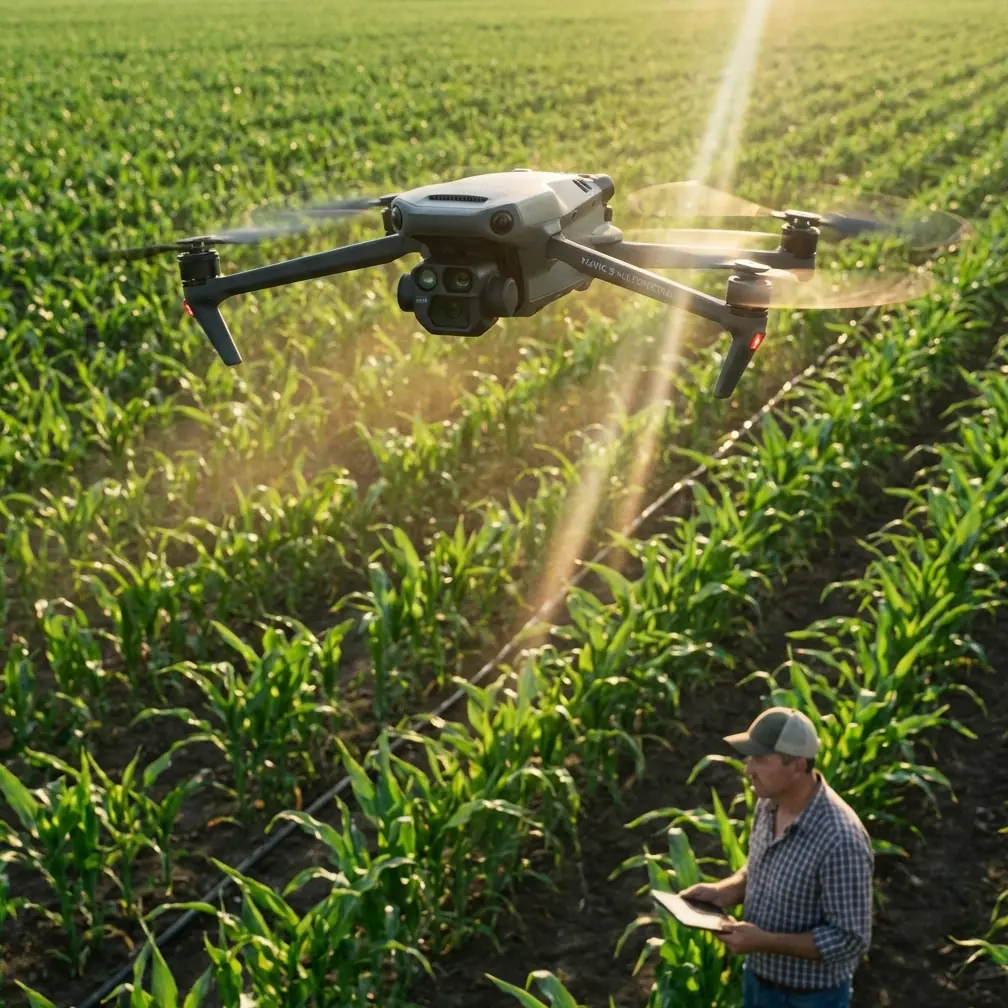
Mavic 4 Pro for Venue Work in Extreme Temperatures: A Photographer’s Field Guide
META: A practical expert guide to using the Mavic 4 Pro for venue photography in extreme heat or cold, with altitude strategy, obstacle avoidance, ActiveTrack, D-Log, and workflow tips for reliable results.
Extreme temperatures expose every weakness in an aerial workflow.
That becomes obvious the moment you’re hired to capture a venue that cannot be reshot easily: a desert resort at noon, a winter event site before sunrise, a mountainside wedding location in wind and frost, or a large entertainment complex where timing, battery discipline, and smooth footage matter as much as image quality. In those conditions, the drone is not just a camera in the sky. It is a system under stress.
I approach the Mavic 4 Pro as a venue tool first, not a spec sheet object. For photographers and hybrid shooters working in punishing weather, the real question is simple: can it deliver controlled, repeatable footage when heat, cold, glare, wind, and changing light all start stacking problems on top of each other?
That is where the Mavic 4 Pro stands out. Not because one feature solves everything, but because the right combination of obstacle avoidance, subject tracking, automated flight modes, and a flexible color workflow can reduce the number of decisions you have to make in difficult conditions. When the environment is hostile, fewer avoidable decisions usually means better work.
The real venue problem in extreme temperatures
Venue coverage sounds straightforward until you’re on location.
You may need a clean establishing shot of the property, a low sweeping move over an entrance, a reveal of outdoor seating, a tracking sequence of staff preparing the space, and a twilight orbit that shows scale without flattening the architecture. Now add temperature extremes.
In high heat, batteries drain faster than expected under load, the air can shimmer, and bright hard light creates brutal contrast. Surfaces such as concrete, metal roofs, and glass can confuse visual judgment from the ground. In cold conditions, battery chemistry becomes less forgiving, fingers slow down, and every pause in decision-making costs you flight time. Wind can also feel sharper and less predictable around large buildings, especially in open winter venues or elevated locations.
This is why venue capture in extreme weather is less about ambitious maneuvers and more about disciplined planning.
Why the Mavic 4 Pro fits this kind of assignment
For this kind of work, a few capabilities matter more than almost anything else.
First, obstacle avoidance is not a luxury around venues. It is operational protection. Hotels, estates, stadium-adjacent spaces, vineyards, event barns, and corporate campuses tend to include trees, poles, suspended lights, signage, pergolas, rooftops, glass facades, and uneven terrain. In extreme temperatures, pilot concentration can slip faster. A strong obstacle sensing system gives you more margin when visibility or physical comfort is compromised.
Second, ActiveTrack and subject tracking are genuinely useful for venue storytelling, not just moving subjects. Think about a golf cart approaching a clubhouse, catering staff crossing a courtyard, or a host walking guests toward an outdoor reception area. In difficult weather, tracking support helps preserve framing while you focus on route safety and environmental conditions. It can reduce the mental load during shots that otherwise require constant micro-corrections.
Third, D-Log matters more than many venue shooters realize. Extreme temperatures often coincide with extreme light. Harsh midday heat creates deep shadows and clipped highlights. Snow scenes do the opposite by pushing brightness everywhere and tricking your exposure instincts. A flatter recording profile gives you more room to recover tonal balance later, especially when the goal is to show a venue as inviting and dimensional rather than stark and overexposed.
Then there are QuickShots and Hyperlapse. Used carelessly, they can make venue content feel generic. Used strategically, they save time and create structure in a shoot plan. In extreme weather, time savings are not trivial. A repeatable automated move can help you secure a polished establishing sequence before conditions worsen.
The altitude question most venue operators get wrong
If you capture venues often, altitude discipline will improve your results more than chasing complicated moves.
The common mistake is climbing too high too early. A high-altitude shot can show the whole property, but it often weakens the venue’s identity. Decorative landscaping disappears. Entryways lose presence. Outdoor amenities shrink into shapes. The site looks documented rather than experienced.
For most venue hero shots, I recommend starting in the roughly 20 to 40 meter range above ground level, then adjusting based on tree height, rooflines, and surrounding obstacles. That band is often the sweet spot for architectural depth. It keeps foreground elements alive while still revealing layout. You get enough separation to show pathways, terraces, pools, courtyards, or parking flow without making the property look detached from the viewer.
Here’s why that matters operationally in extreme temperatures:
- In high heat, lower controlled altitudes can reduce the temptation to stay airborne too long chasing a grand overview that may not actually sell the venue visually.
- In cold weather, shorter and more deliberate flight segments preserve battery confidence.
- At moderate altitude, obstacle avoidance remains especially valuable near trees, poles, and roof edges where venue environments get visually busy.
- Wind behavior is often easier to read and manage than it is higher up, though this still depends on local terrain.
That does not mean avoiding higher perspectives. I still use a taller pass, often after the essential mid-altitude sequences are secured. But if you only get a short flight window because temperatures are punishing the batteries, your best venue footage is usually not your highest footage.
A practical problem-solution workflow
Problem 1: Heat creates ugly contrast and unreliable pacing
When a venue shoot happens under intense sun, the footage can look harsh even when the composition is good. White roofs blow out. Pool decks glare. Shade under awnings goes muddy. The urge is to rush through the job before equipment overheats or batteries drop faster than expected.
Solution
Build the flight around shorter sequences and prioritize D-Log for your key cinematic clips.
I usually divide the mission into three blocks:
- Establishing angles at 20 to 40 meters
- Mid-level reveal passes around major venue features
- Short low-altitude detail movements only after the core footage is safe
That structure protects the assignment. If heat forces an early stop, you still have the material that explains the venue.
D-Log gives your editor or colorist room to soften that hostile midday contrast. A venue should feel usable and appealing, not punishing. In hard light, preserving highlight detail on roofs, walkways, and reflective surfaces is what separates professional aerial work from footage that merely proves the building exists.
Problem 2: Cold weather shortens your margin for error
In freezing conditions, every hesitation matters. If your fingers are stiff, your batteries are less cooperative, and wind is cutting through an open property, manual perfectionism becomes expensive.
Solution
Use the Mavic 4 Pro’s automated tools selectively.
QuickShots can secure a clean reveal or orbit quickly when the framing is obvious and the surrounding environment has already been assessed. Hyperlapse can also be highly effective for showing venue transitions, such as shifting cloud cover over a resort, foot traffic around a plaza, or activity building before an event. The key is intention. Automated modes should replace repetitive setup time, not replace judgment.
This is also where obstacle avoidance becomes a practical cold-weather feature rather than a marketing bullet. Around buildings and landscaping, reduced dexterity can lead to slower reactions. Sensor support provides extra breathing room when precision feels physically harder than usual.
ActiveTrack is not just for athletes and vehicles
One of the more overlooked uses of ActiveTrack in venue work is controlled hospitality storytelling.
A venue is often best understood through movement. A grounds manager walking through a garden path. A coordinator opening a reception area. A couple touring an outdoor ceremony site. Subject tracking lets you anchor the scale of the place with human motion. That makes the venue feel navigable and real.
In extreme temperatures, this can simplify execution dramatically. Instead of hand-flying every tracking pass from scratch while also monitoring light, wind, and obstacles, you can rely on the Mavic 4 Pro’s subject tracking support to maintain consistency. You still need to choose safe paths and maintain situational awareness, but the system reduces workload where it counts.
That matters because environmental stress quietly degrades creative judgment. The less energy you spend on repetitive stick corrections, the more attention you can give to framing and safety.
How obstacle avoidance changes venue flying strategy
Obstacle avoidance is often discussed in binary terms: on or off, good or bad. That misses the operational reality.
At venues, obstacles are layered. There may be visible barriers like trees and walls, but also subtler complications like decorative cables, lighting rigs, flagpoles, sculptures, and transitional spaces where open lawns lead into dense structures. Extreme weather makes all of this more complicated. Heat haze can distort distance judgment. Snow can flatten contrast. Wind near buildings can create awkward drift during turns.
A strong obstacle sensing setup changes how aggressively you can plan your routes. It gives you confidence to work closer to architecture when the shot calls for it, especially at those productive mid-level altitudes where venue details actually read well. It also helps during repeated takes. If you need to refine a reveal around an entrance or terrace, you are not relying entirely on perfect manual recall.
That said, obstacle avoidance is a layer of protection, not a substitute for route design. I still walk the site mentally before takeoff. I identify vertical hazards, likely wind corridors, and the point where a clean reveal becomes needlessly risky.
Hyperlapse and QuickShots: useful only when they serve the story
Venue content fails when every property gets the same visual treatment.
QuickShots can help when you need an efficient opening move that presents the site clearly before guests arrive or before weather shifts. Hyperlapse works well when the venue itself changes character over time: sunlight creeping across a courtyard, clouds wrapping a mountain lodge, evening lights activating around an event space.
These tools are especially valuable in temperature extremes because they help compress the amount of airborne trial and error. But they only work if the venue has a visual rhythm worth showing. I use them to support the story of place, not to pad a shot list.
A photographer’s take on reliability under pressure
As a photographer, I care less about whether a drone can do something flashy and more about whether it helps me come home with usable footage from a difficult day.
That is the strongest case for the Mavic 4 Pro in venue work. It supports a disciplined operator. The combination of obstacle avoidance, ActiveTrack, QuickShots, Hyperlapse, and D-Log gives you options when the environment is actively working against smooth execution. Those features do not remove the need for planning. They reward it.
If you are preparing for venue shoots in severe heat or cold and want to compare workflow setups or accessory choices, you can message a drone specialist here.
My preferred venue capture sequence in extreme temperatures
When conditions are rough, I keep the mission simple and repeatable:
- Start with one safe establishing shot at 20 to 40 meters
- Capture a slow forward reveal of the main facade or entrance
- Use a side-tracking pass to show depth and grounds layout
- Add one human-centered ActiveTrack clip if the venue benefits from scale
- Finish with a concise automated move only if battery and wind margins remain comfortable
That order matters. It front-loads the footage the client will actually use. Too many pilots save the essential shots for later and spend the first battery chasing dramatic wide angles that add little commercial value.
For venue photography, especially in extreme temperatures, the best aerial operator is rarely the one making the boldest move. It is the one who understands where altitude, automation, color flexibility, and safety systems intersect.
The Mavic 4 Pro is well suited to that kind of thinking. Not because it turns venue work into a push-button exercise, but because it supports the careful choices that difficult environments demand.
Ready for your own Mavic 4 Pro? Contact our team for expert consultation.