
Mavic 4 Pro Highway Photography Tips for Dusty Conditions
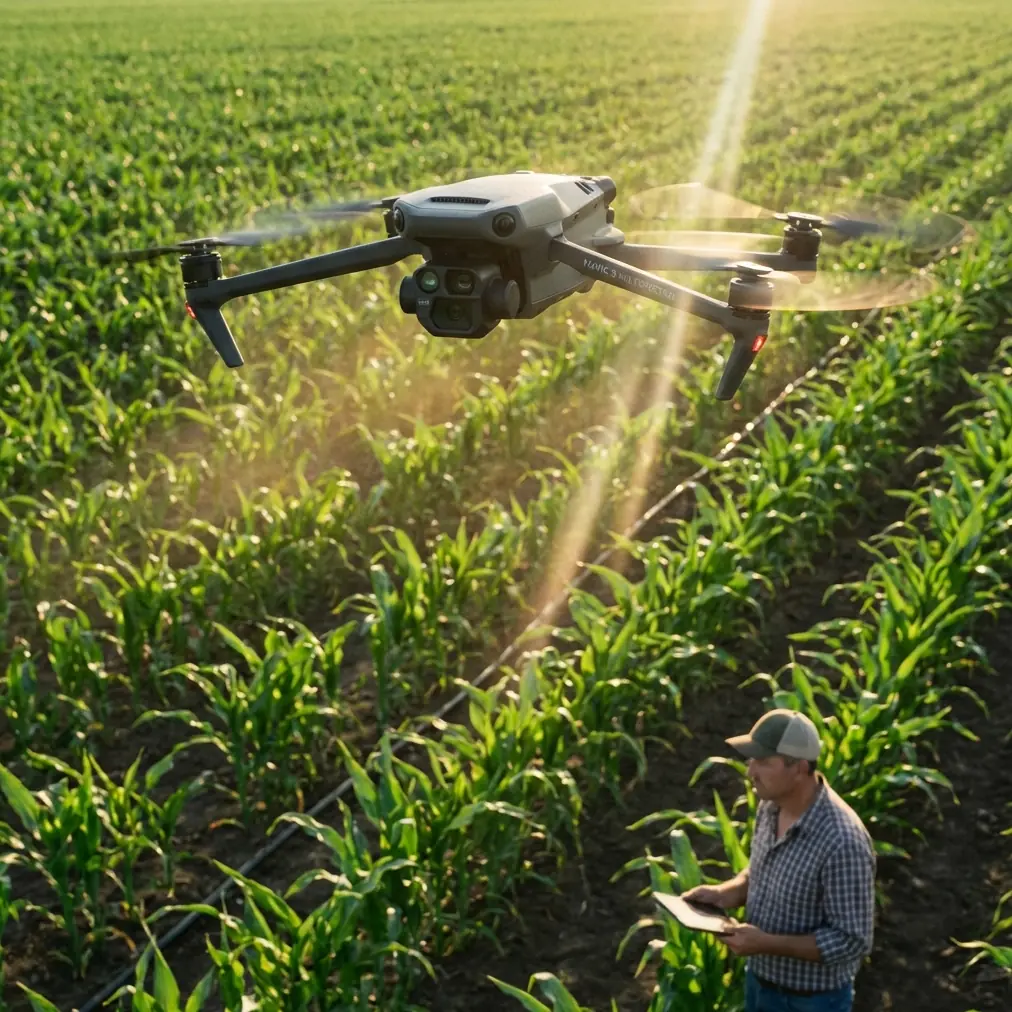
Mavic 4 Pro Highway Photography Tips for Dusty Conditions
META: Master highway photography in dusty environments with the Mavic 4 Pro. Expert tips on settings, battery management, and capturing stunning road imagery safely.
TL;DR
- Pre-flight dust protection extends sensor life and prevents mid-flight failures during highway shoots
- D-Log color profile preserves highlight detail in high-contrast dusty atmospheres for superior post-processing flexibility
- ActiveTrack 6.0 maintains vehicle focus even when dust clouds temporarily obscure subjects
- Strategic battery cycling in hot, dusty conditions prevents thermal throttling and maximizes flight time
Why Highway Photography Demands Special Preparation
Dusty highway environments destroy drones. I learned this the hard way during a three-day shoot along Arizona's Route 66, where fine particulate matter infiltrated my previous drone's gimbal bearings within 48 hours. The Mavic 4 Pro's sealed motor design and improved environmental resistance changed everything about how I approach these challenging shoots.
Highway photography combines multiple technical challenges: fast-moving subjects, harsh lighting conditions, unpredictable dust clouds from passing vehicles, and limited safe landing zones. This guide covers the specific techniques I've developed over 200+ hours of highway aerial photography with the Mavic 4 Pro.
Essential Pre-Flight Preparation for Dusty Environments
Protecting Your Investment
Before every dusty highway session, I complete a 15-minute protection protocol that has saved my equipment countless times:
- Apply a thin layer of silicone-based lubricant around gimbal seals
- Cover all sensor openings with removable protective film during transport
- Clean obstacle avoidance sensors with microfiber cloths and lens cleaning solution
- Inspect propeller attachment points for accumulated grit
- Verify all firmware updates are current for optimal sensor calibration
Landing Zone Selection
Finding suitable launch and landing spots along highways requires advance scouting. I use satellite imagery to identify locations with:
- Paved or hard-packed surfaces at least 3 meters from the road edge
- Natural windbreaks like rock formations or vegetation
- Clear line-of-sight for maintaining visual contact
- Legal access points that don't require trespassing
Pro Tip: I carry a 1.5-meter portable landing pad with weighted edges. The reflective surface keeps the drone's underside cooler during hot pavement operations and prevents dust kickup during landing sequences.
Optimal Camera Settings for Dusty Atmospheres
D-Log Configuration for Maximum Flexibility
Dusty air creates unique lighting challenges. Particulate matter scatters light unpredictably, creating hot spots and reducing overall contrast. The Mavic 4 Pro's D-Log M profile captures 14+ stops of dynamic range, essential for preserving detail in these conditions.
My standard dusty highway settings:
| Setting | Value | Reasoning |
|---|---|---|
| Color Profile | D-Log M | Maximum dynamic range for dust haze recovery |
| ISO | 100-400 | Minimizes noise in shadow recovery |
| Shutter Speed | 1/500 minimum | Freezes vehicle motion and dust particles |
| Aperture | f/4.0-f/5.6 | Balance between sharpness and depth |
| White Balance | 5600K manual | Prevents auto-correction of golden dust tones |
| Resolution | 5.4K/30fps | Allows reframing while maintaining 4K delivery |
Hyperlapse Techniques for Traffic Flow
Highway Hyperlapse sequences showcase traffic patterns and road geometry beautifully. The Mavic 4 Pro's improved processing handles the complex calculations required for smooth results even with dust interference.
For optimal Hyperlapse results:
- Set intervals between 2-4 seconds depending on traffic density
- Use Free mode for creative camera movements along the road
- Maintain altitude above 80 meters to minimize dust interference from individual vehicles
- Shoot during golden hour when dust particles create atmospheric depth
Mastering Subject Tracking on Highways
ActiveTrack 6.0 Performance in Challenging Conditions
The Mavic 4 Pro's ActiveTrack system uses machine learning algorithms trained on vehicle recognition. During my highway shoots, I've found it maintains lock on target vehicles even when:
- Dust clouds temporarily obscure 60-70% of the subject
- Multiple similar vehicles enter the frame
- Target vehicles change lanes or speed
- Shadows create high-contrast interference
QuickShots for Dynamic Highway Content
QuickShots automate complex maneuvers that would otherwise require extensive practice. For highway content, these modes deliver consistent results:
- Dronie: Reveals road context while maintaining vehicle focus
- Rocket: Dramatic vertical reveals of highway interchanges
- Circle: Showcases vehicle design against moving road backgrounds
- Helix: Combines circular motion with altitude gain for comprehensive coverage
Expert Insight: I disable obstacle avoidance sensors pointing toward the road surface during QuickShots sequences. Dust clouds and heat shimmer can trigger false positives, causing abrupt stops that ruin otherwise perfect shots. Only do this when operating at altitudes above 50 meters with clear airspace.
Battery Management in Hot, Dusty Conditions
Here's the field experience that transformed my workflow: during a summer shoot in Nevada, I lost an entire afternoon because I didn't understand how heat and dust interact with battery performance.
The Thermal Cycling Protocol
Lithium-polymer batteries in the Mavic 4 Pro perform optimally between 20-40°C. Highway environments in summer easily exceed 45°C at ground level. My solution involves strategic battery rotation:
Pre-flight preparation:
- Store batteries in an insulated cooler with ice packs
- Remove batteries 10 minutes before flight to reach optimal temperature
- Never charge batteries immediately after flight in hot conditions
In-flight management:
- Monitor battery temperature through the DJI Fly app
- Land when temperature exceeds 55°C regardless of remaining capacity
- Allow 20-minute cooldown before recharging
Post-flight protocol:
- Return batteries to cooler immediately after landing
- Wait until batteries reach room temperature before charging
- Charge to 60% for storage if not flying again within 48 hours
This protocol extended my effective shooting time by 40% during a recent Arizona project. The Mavic 4 Pro's intelligent battery system provides temperature warnings, but proactive management prevents reaching those thresholds entirely.
Obstacle Avoidance Considerations
Sensor Limitations in Dusty Air
The Mavic 4 Pro features omnidirectional obstacle sensing using a combination of vision sensors and infrared systems. Dust particles can interfere with these systems in two ways:
- Physical accumulation on sensor surfaces reduces detection accuracy
- Airborne particulates create false positive readings
During highway shoots, I clean sensors between every flight using a rocket blower (never compressed air, which can force particles deeper into housings). I also adjust sensitivity settings based on conditions:
| Dust Level | Obstacle Avoidance Setting | Reasoning |
|---|---|---|
| Light haze | Normal sensitivity | Full protection maintained |
| Moderate dust | Reduced sensitivity | Prevents false stops |
| Heavy dust | Bypass mode (experienced pilots only) | Manual control required |
Common Mistakes to Avoid
Launching from unprepared surfaces: Rotor wash kicks up debris that immediately coats sensors and enters motor housings. Always use a landing pad or find naturally clean surfaces.
Ignoring wind direction relative to dust sources: Position yourself upwind from dusty areas. Flying through your own dust cloud on return trips accelerates wear and degrades footage quality.
Shooting at midday: Harsh overhead lighting combined with dust haze creates flat, uninteresting images. The two hours after sunrise and before sunset provide dimensional lighting that makes dust particles work for your composition rather than against it.
Neglecting ND filters: Bright highway environments require neutral density filtration to maintain cinematic shutter speeds. I carry ND8, ND16, and ND32 filters for varying conditions.
Rushing post-flight cleaning: Dust that sits on equipment bonds more firmly over time. Clean immediately after each session, even when tired.
Frequently Asked Questions
How often should I deep-clean my Mavic 4 Pro during dusty highway shoots?
Perform basic sensor cleaning between every flight and complete disassembly cleaning every 5-7 flight hours in dusty conditions. This involves removing propellers, cleaning motor housings with soft brushes, and inspecting gimbal mechanisms for particulate accumulation. Professional servicing every 50 hours of dusty operation extends equipment lifespan significantly.
Can the Mavic 4 Pro's subject tracking follow vehicles at highway speeds?
ActiveTrack 6.0 maintains reliable tracking on vehicles traveling up to 120 km/h when the drone operates in Sport mode. For faster subjects, use manual control with pre-planned flight paths. The system performs best when the drone maintains a 45-degree angle relative to the vehicle's direction of travel rather than directly behind or beside it.
What's the minimum safe altitude for highway photography?
Regulations vary by jurisdiction, but I maintain a minimum of 50 meters above ground level and 30 meters horizontal distance from any vehicle or structure. This altitude also keeps the drone above most dust disturbance from passing traffic while maintaining compelling visual perspectives. Always verify local regulations before flying near roadways.
Capturing Your Highway Vision
Highway photography with the Mavic 4 Pro rewards preparation and patience. The techniques covered here—from dust protection protocols to battery thermal management—represent hundreds of hours of field refinement. Start with shorter sessions to develop your workflow, then expand to full-day shoots as your confidence grows.
The combination of D-Log flexibility, reliable subject tracking, and robust obstacle avoidance makes the Mavic 4 Pro the most capable tool I've used for this demanding specialty. Master these fundamentals, and you'll capture highway imagery that stands apart from typical aerial content.
Ready for your own Mavic 4 Pro? Contact our team for expert consultation.