
Mavic 4 Pro in Thin Air: a Field Report from High
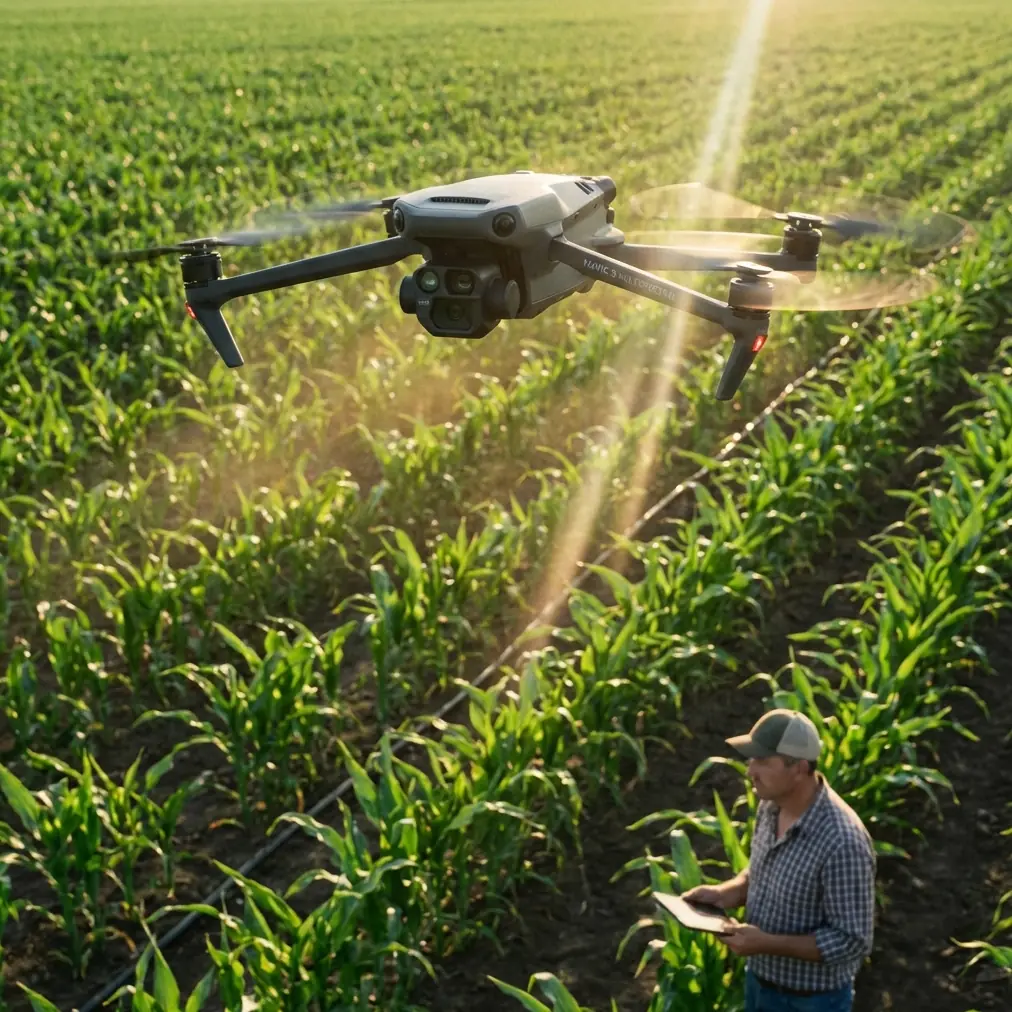
Mavic 4 Pro in Thin Air: a Field Report from High-Altitude Construction Work
META: A field report on using the Mavic 4 Pro for high-altitude construction site capture, covering obstacle avoidance, ActiveTrack, D-Log workflow, wind strategy, and practical accessory choices.
High-altitude construction photography looks clean on paper. In the field, it rarely is.
You’re dealing with thin air, shifting mountain light, unfinished steel, dust, concrete glare, sudden gusts, and a site team that does not pause because the drone pilot needs another pass. The reason the Mavic 4 Pro matters in this environment is not because it makes the work easy. It makes difficult work more repeatable.
I’ve been thinking about that distinction a lot while reviewing how I’d build a reliable capture workflow around the Mavic 4 Pro for elevated construction projects. Not scenic recreational flights. Not broad lifestyle footage. Actual site documentation where every battery cycle has to produce usable material for progress tracking, stakeholder updates, and marketing footage that still needs to stand up to scrutiny from engineers and project managers.
That is where the aircraft’s core capabilities start to matter in a practical way: obstacle avoidance when the site geometry is changing week by week, subject tracking when equipment movement tells the story better than a static wide shot, D-Log when snow, concrete, and sky all live in the same frame, and automated flight modes like QuickShots and Hyperlapse when a team needs polished motion assets without burning time on complex manual camera choreography.
Why high altitude changes the job
At elevation, small inefficiencies become expensive.
Battery performance can feel shorter because the pilot tends to work harder against wind and temperature swings. Framing decisions take longer because visibility changes faster. Vertical structures look deceptively simple until you try to maintain smooth, safe spacing around cranes, rebar forests, temporary scaffolding, and partially enclosed facades.
Construction teams also want several things at once. They want a broad site overview for weekly records. They want tighter shots of structural progress. They want clips suitable for client presentations. They often want all of this in one visit, sometimes during a narrow weather window.
This is where a drone like the Mavic 4 Pro earns its keep. Not by replacing planning, but by reducing the friction between capture intent and actual execution.
Obstacle avoidance is not a comfort feature on a build site
On a mountain or hillside project, the “obstacle” is never just one object. It is a stack of risks.
You may be flying near unfinished columns, temporary fencing, cable runs, tower cranes, telehandlers, and protruding formwork. The terrain itself adds another layer, especially if the site terraces down a slope or sits against a cut hillside. In those conditions, obstacle avoidance is not there to make beginners feel safer. It protects continuity of work.
A drone that reads its environment more intelligently gives you more confidence to hold a line while moving laterally along a structure or backing away to reveal scale. That matters because construction imagery often depends on precise relative motion. You’re not simply trying not to crash. You’re trying to preserve smoothness while maintaining enough situational awareness to avoid overcorrecting every few seconds.
The operational significance is straightforward: fewer aborted passes, fewer awkward pauses in motion, and less pilot bandwidth wasted on micro-panics. On a live project site, that can be the difference between leaving with one usable hero sequence and leaving with a complete package.
Even then, obstacle avoidance should be treated as a layer of support, not permission to fly carelessly. Steel members, netting, reflective surfaces, and irregular site clutter can complicate sensor interpretation. In practice, I use the system to widen my safety margin while still flying as if no system is infallible.
ActiveTrack and subject tracking are more useful on construction sites than most people expect
Many people associate subject tracking with athletes, cars, or cinematic social clips. On a construction site, it can be surprisingly valuable when used with discipline.
The obvious use is following a vehicle route through the site: a concrete truck entering a narrow access road, a loader moving aggregate, or a crane hook transit that visually communicates scale and workflow. But the real benefit is consistency. If the Mavic 4 Pro can maintain a more stable relationship to a moving subject while the pilot focuses on surrounding hazards and composition, you have more headroom to think like an image-maker instead of operating in full-time correction mode.
That becomes especially useful at altitude, where gusts can make manual tracking feel twitchier than it does at lower elevations. If the drone helps preserve framing around a moving subject, the resulting clip often feels calmer and more deliberate. For client deliverables, that polish matters.
There’s also a documentation angle. Repeating similar tracking shots over the course of a project can create a visual record of operational changes: haul roads becoming paved, structural envelope closing in, logistics pathways shifting as the site matures. Subject tracking is not just a creative tool. It can support repeatable storytelling.
D-Log is where the site footage becomes usable, not just attractive
Construction environments at high altitude have brutal contrast.
Bright clouds, pale concrete, reflective metal, dark excavation zones, shadowed equipment bays, and occasional snow or haze can all exist in one frame. If you capture that with a baked-in look, you may get something that appears punchy on the screen in the moment but falls apart in post when the client wants both sky detail and readable shadows under the slab edge.
That is why D-Log matters.
Shooting in D-Log gives you more latitude to control the final image, especially when the site’s tonal extremes are doing everything they can to break your exposure. In practical terms, it helps preserve detail where standard profiles can clip highlights or crush shadow information too aggressively. For construction progress work, that is not a purely artistic advantage. It can affect whether specific site details remain visible and useful.
The key is discipline on set. Expose carefully. Avoid chasing every change in cloud cover with dramatic camera tweaks. Build a color workflow that you can repeat across weekly or monthly visits. Decision-makers comparing footage over time should be looking at actual construction progress, not at wild variations in contrast and color rendering from one flight to the next.
Aerial imaging for construction has a credibility problem when it leans too hard into spectacle. D-Log helps you produce footage that still looks refined without sacrificing informational value.
QuickShots and Hyperlapse are not gimmicks if you assign them a job
Automated modes get dismissed too easily by experienced pilots. That usually happens because people judge them by how often they are used in consumer travel footage.
On a high-altitude construction project, QuickShots can be useful when you need a clean reveal or orbit to establish context fast. Not every client wants raw operational realism all the time. Sometimes they need a concise opening shot that situates the building within terrain, access roads, neighboring structures, or the wider development area. If an automated path can produce that repeatably, it earns a place in the workflow.
Hyperlapse is even more interesting here. Construction sites are temporal stories. Materials arrive. Light shifts across the slab. Shadows track structural geometry. A well-planned hyperlapse can show the site waking up over an hour or compress cloud and crew movement into a visual summary that complements standard progress stills and video.
The significance is efficiency. These modes can reduce setup time for shots that would otherwise eat into battery reserves and concentration. At altitude, where conditions may tighten your window, saving those minutes matters.
I would not use either mode blindly near dense site obstacles or active machinery without a clear safety buffer. But in open areas or during controlled timing, they can add production value without derailing the primary mission.
The accessory that genuinely improved the job
The most useful third-party addition in this kind of work is not flashy. A high-quality landing pad made more difference than I expected.
That sounds underwhelming until you work from rough mountain-grade surfaces, dusty access roads, wet gravel, or temporary staging areas littered with loose debris. A folding landing pad gives you a cleaner launch and recovery zone, keeps rotor wash from blasting grit into the air, and reduces the chance of ingesting dust during takeoff or landing.
On construction sites, dust is not a side issue. It affects visibility, sensor cleanliness, gimbal surfaces, and confidence during close preflight checks. Creating a controlled footprint for launch is one of those small operational upgrades that pays off every single time.
I’ve also found that a well-made pad changes crew behavior. The drone operation becomes visibly contained and intentional. Site teams know where not to walk. The takeoff area looks less improvised. That helps when you’re working around people who are focused on pouring concrete, rigging loads, or checking structural alignments rather than watching your aircraft.
If you’re building a serious high-altitude site kit around the Mavic 4 Pro, that accessory belongs near the top of the list.
How I’d structure a capture day with the Mavic 4 Pro
For this type of assignment, I’d break the work into four layers.
First pass: site-wide documentation.
Start high and broad while the light is still manageable. Capture cardinal-angle overviews, access points, stockpile zones, and perimeter context. This gives the non-creative stakeholders what they often need most: orientation.
Second pass: structural progress.
Move closer once you understand current site traffic and wind behavior around the building mass. Use obstacle avoidance as support, not as an excuse to push recklessly into clutter. Record consistent elevations and distances so future visits can mirror the same perspectives.
Third pass: motion and workflow.
This is where ActiveTrack or subject tracking can help. Follow movement that communicates site activity: material delivery routes, equipment transitions, or the relationship between crew flow and newly completed structure.
Fourth pass: polished assets.
Reserve QuickShots or Hyperlapse for the end, once documentation is secure. These shots are valuable, but they should not steal attention from the mandatory record set.
That order matters. In difficult weather or rising winds, the mission can degrade gracefully. You secure the essential material first, then add style if the conditions still allow it.
What the Mavic 4 Pro means for a photographer, not just a pilot
As a photographer, I care less about feature checklists than about whether an aircraft lets me think clearly under pressure.
The Mavic 4 Pro, viewed through that lens, is appealing because its headline functions align with the actual pain points of elevated construction capture. Obstacle avoidance helps maintain composure around incomplete structures. ActiveTrack and subject tracking reduce workload during motion-based storytelling. D-Log protects footage captured in punishing contrast. QuickShots and Hyperlapse create efficient paths to polished deliverables when time and batteries are limited.
None of that removes the need for planning. You still need to study air density effects, local weather patterns, launch zones, crew movement, and the changing geometry of the site. You still need to brief the team, establish visual boundaries, and accept that some beautiful ideas are bad operational decisions.
But when the aircraft’s capabilities line up with the assignment, the whole process gets cleaner. Fewer compromises. Better continuity. More footage that survives contact with reality.
A final field note on communication
High-altitude construction work often succeeds or fails before the props spin. The people managing the site need to know what you’re capturing, when you need clear space, and what kind of movement you expect from equipment around your flight path. If you’re coordinating a site shoot and need a fast planning conversation, I’d use this direct WhatsApp line for scheduling details: https://wa.me/85255379740
That kind of simple coordination matters more than many pilots admit. The best drone on site still depends on a well-run operation around it.
The Mavic 4 Pro is not interesting because it flies. Plenty of drones fly. It is interesting because, for high-altitude construction imagery, its combination of obstacle awareness, tracking support, log capture, and automated motion tools can turn a narrow weather window into a coherent visual record. That is the real test on a live project.
Ready for your own Mavic 4 Pro? Contact our team for expert consultation.