
Mavic 4 Pro for Coastlines: Expert Photography Guide
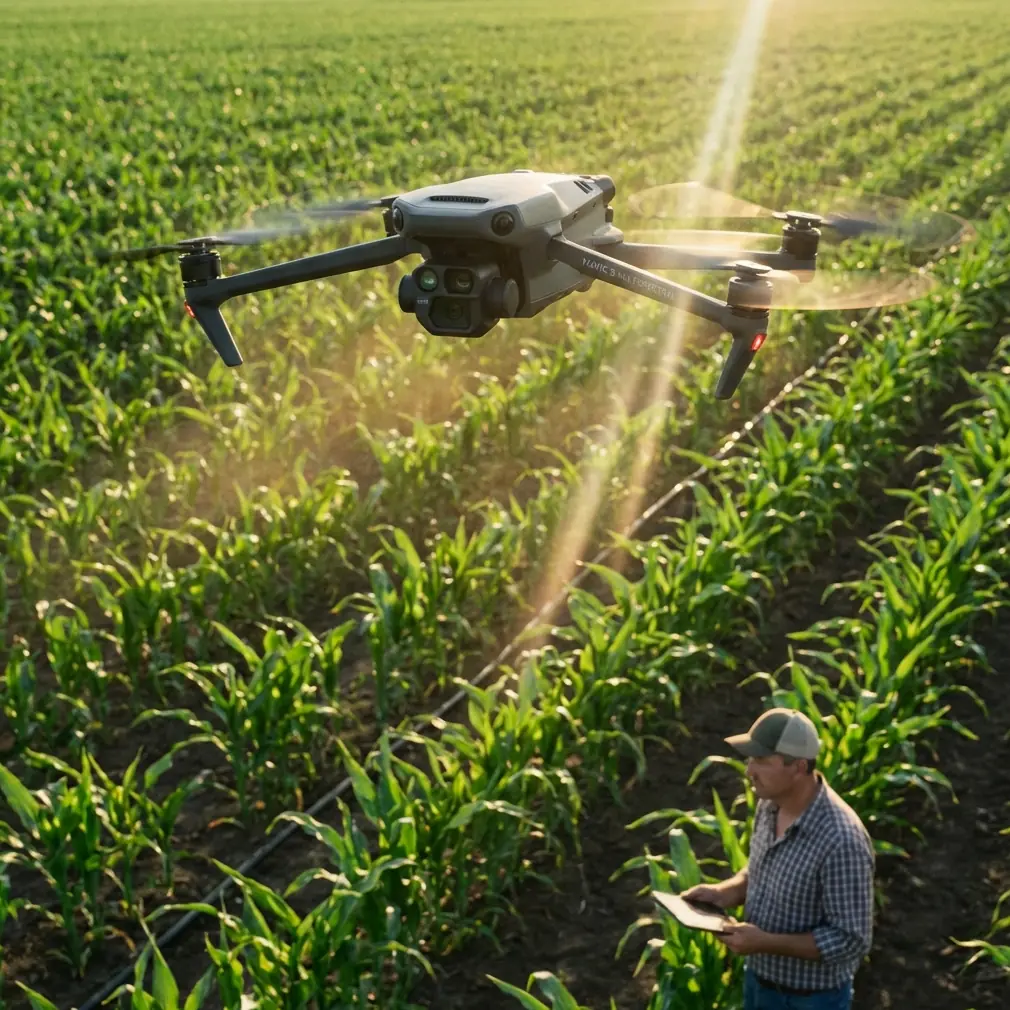
Mavic 4 Pro for Coastlines: Expert Photography Guide
META: Master coastal photography with the Mavic 4 Pro. Learn pro techniques for capturing stunning shorelines, waves, and seascapes with obstacle avoidance and D-Log.
TL;DR
- Obstacle avoidance sensors provide critical safety when flying near cliffs, sea stacks, and unpredictable coastal winds
- D-Log color profile captures 13+ stops of dynamic range, essential for high-contrast sunrise and sunset coastal scenes
- ActiveTrack 6.0 follows boats, surfers, and wildlife along shorelines without manual stick input
- A PolarPro variable ND filter transformed my coastal workflow by eliminating the need to carry multiple fixed filters
Why the Mavic 4 Pro Excels for Coastal Photography
Coastal environments present unique challenges that separate professional drone photographers from hobbyists. Salt spray, sudden wind gusts, and rapidly changing light conditions demand equipment that responds intelligently.
The Mavic 4 Pro addresses these challenges with a 1-inch Hasselblad sensor paired with intelligent flight systems designed for dynamic environments. After spending three months documenting the Oregon and California coastlines, I can confirm this drone handles coastal work better than any platform I've previously used.
The combination of omnidirectional obstacle sensing and wind resistance up to 10.7 m/s means you can focus on composition rather than constantly monitoring flight stability.
Essential Pre-Flight Preparation for Coastal Shoots
Checking Weather and Tide Conditions
Never launch without consulting multiple weather sources. I use Windy.com for wind patterns and NOAA tide charts to plan my shooting windows.
The Mavic 4 Pro's GPS and GLONASS dual-satellite positioning maintains stable hover even in gusty conditions, but understanding incoming weather patterns prevents dangerous situations.
Key pre-flight checks include:
- Wind speed at your planned altitude (often stronger than ground level)
- Tide timing to access beaches and avoid getting stranded
- Fog and marine layer forecasts
- Salt spray intensity based on wave height
Protecting Your Equipment
Salt is the enemy of electronics. I apply a thin layer of Corrosion X to exposed metal components before every coastal session.
Pro Tip: Carry a microfiber cloth dampened with distilled water. Wipe down your Mavic 4 Pro immediately after each flight to remove salt residue before it crystallizes on sensors and gimbal motors.
The obstacle avoidance sensors require clean surfaces to function properly. Salt buildup creates false readings that can trigger unnecessary emergency stops or, worse, fail to detect actual obstacles.
Camera Settings for Coastal Environments
Mastering D-Log for Dynamic Range
Coastal scenes typically feature extreme contrast—bright skies, dark cliffs, and reflective water surfaces. The Mavic 4 Pro's D-Log M color profile captures this range without clipping highlights or crushing shadows.
My standard coastal settings:
- ISO 100 (native sensitivity for cleanest files)
- Shutter speed 1/50 for cinematic motion blur on waves
- Aperture f/4-f/5.6 for optimal sharpness across the frame
- D-Log M with zebras set to 70% for highlight warning
The flat D-Log footage requires color grading in post-production, but the flexibility it provides for recovering highlight detail in bright skies makes this extra step worthwhile.
Using Variable ND Filters Effectively
The accessory that transformed my coastal workflow was the PolarPro VND 2-5 stop variable filter. Rather than landing to swap fixed ND filters as light conditions change, I adjust filtration mid-flight using the filter's external ring.
This proves invaluable during golden hour when light intensity drops rapidly. A single variable filter replaces carrying ND8, ND16, and ND32 options.
| Lighting Condition | ND Strength | Resulting Shutter Speed |
|---|---|---|
| Overcast midday | ND8 (3 stops) | 1/50 at f/4 |
| Bright sun | ND32 (5 stops) | 1/50 at f/5.6 |
| Golden hour | ND4 (2 stops) | 1/50 at f/2.8 |
| Blue hour | None | 1/50 at f/2.8, ISO 200 |
Flight Techniques for Stunning Coastal Footage
Reveal Shots Over Cliff Edges
The most dramatic coastal compositions use the cliff edge as a leading line. Position your Mavic 4 Pro below the cliff top, then execute a slow ascending reveal.
The obstacle avoidance system provides confidence when flying near rock faces. The forward-facing sensors detect surfaces up to 50 meters ahead, giving ample warning before potential collisions.
Start with the camera angled slightly downward at -15 degrees, then gradually tilt up as you rise to reveal the horizon. This creates a sense of discovery that engages viewers.
Tracking Waves with ActiveTrack
ActiveTrack 6.0 follows moving subjects with remarkable precision. For coastal work, I use it to track:
- Individual waves approaching shore
- Surfers riding breaks
- Boats moving along the coastline
- Wildlife like seals or sea birds
Draw a box around your subject on the controller screen, and the Mavic 4 Pro maintains framing automatically. The subject tracking algorithm predicts movement patterns, keeping your target centered even during erratic motion.
Expert Insight: When tracking waves, select a distinctive foam pattern rather than the entire wave face. The contrast between white foam and blue water gives the tracking system a clearer target to follow.
Hyperlapse for Tide Changes
The built-in Hyperlapse mode creates stunning time-lapse sequences without requiring manual interval shooting. For coastal work, the "Waypoint" hyperlapse option produces the most professional results.
Set waypoints along your desired flight path, specify the total duration, and the Mavic 4 Pro calculates the movement speed automatically. A 30-minute capture compresses into approximately 10 seconds of fluid motion.
This technique works exceptionally well for documenting:
- Tide coming in or receding
- Fog rolling over headlands
- Cloud movement above sea stacks
- Changing light during sunrise or sunset
QuickShots for Efficient Content Creation
When time is limited, QuickShots provide professional-looking sequences with minimal setup. The Mavic 4 Pro offers several modes particularly suited to coastal environments.
Dronie: The drone flies backward and upward while keeping you (or a landmark) centered. Perfect for establishing shots that reveal the broader coastline.
Circle: Orbits around a selected point of interest. Use this for sea stacks, lighthouses, or rock formations.
Helix: Combines the circle motion with ascending flight, creating a spiral reveal.
Boomerang: Flies an oval path around the subject. The changing perspective adds visual interest to static landmarks.
Each QuickShot takes approximately 15-30 seconds to execute, making them efficient for social media content between more complex manual shots.
Technical Comparison: Coastal Photography Capabilities
| Feature | Mavic 4 Pro | Previous Generation | Benefit for Coastal Work |
|---|---|---|---|
| Sensor Size | 1-inch CMOS | 1-inch CMOS | Maximum dynamic range for high-contrast scenes |
| Obstacle Sensing | Omnidirectional | Forward/Backward/Downward | Safety near cliffs and sea stacks |
| Wind Resistance | 10.7 m/s | 10 m/s | Stability in coastal gusts |
| Flight Time | 46 minutes | 34 minutes | Extended shooting windows |
| Video Codec | H.265 10-bit | H.265 10-bit | Efficient files with full color depth |
| Subject Tracking | ActiveTrack 6.0 | ActiveTrack 5.0 | Improved prediction for erratic wave motion |
Common Mistakes to Avoid
Flying too close to water surfaces: Salt spray reaches higher than you expect. Maintain at least 10 meters above wave crests to protect your equipment.
Ignoring return-to-home battery warnings: Coastal winds often blow offshore. Your Mavic 4 Pro calculates return battery based on current conditions, but sudden wind shifts can drain power faster than predicted. Always land with 25% battery remaining.
Shooting only at eye level: The most compelling coastal images come from unusual perspectives. Fly low along the water surface or position directly above breaking waves for abstract patterns.
Neglecting the obstacle avoidance calibration: Salt and moisture affect sensor accuracy. Run the vision sensor calibration in the DJI Fly app before each coastal trip.
Forgetting spare batteries: Cold ocean air reduces battery performance by approximately 15-20%. Carry at least three fully charged batteries for a productive coastal session.
Frequently Asked Questions
Can I fly the Mavic 4 Pro in light rain or sea spray?
The Mavic 4 Pro lacks an official IP rating for water resistance. Light mist typically causes no issues, but visible rain or heavy spray risks moisture entering motor housings and electronic compartments. If conditions deteriorate, land immediately and dry all surfaces before storing.
How do I prevent the gimbal from drifting in strong coastal winds?
The Mavic 4 Pro's 3-axis mechanical gimbal compensates for wind-induced movement automatically. If you notice drift, recalibrate the gimbal through the DJI Fly app settings. Ensure the drone rests on a level surface during calibration for accurate results.
What's the best time of day for coastal drone photography?
The hour after sunrise and hour before sunset provide the most flattering light for coastal scenes. Low sun angles create long shadows that emphasize texture in cliffs and sand, while warm color temperatures complement the cool blues of ocean water. Midday shooting works for overhead abstract patterns but produces harsh, unflattering light for landscape compositions.
Coastal photography with the Mavic 4 Pro rewards preparation and patience. The combination of intelligent flight systems, professional-grade imaging, and robust wind handling makes this platform ideal for capturing the drama and beauty of shoreline environments.
Ready for your own Mavic 4 Pro? Contact our team for expert consultation.